
Small And Large Bowel Obstruction
Bowel obstruction is a medical condition where there is a blockage in the small or large intestine that impedes the normal movement of contents through the digestive tract. This can lead to a range of complications if not addressed promptly. Bowel obstructions can be either partial or complete and may occur in the small intestine (small bowel obstruction) or large intestine (large bowel obstruction).
Causes
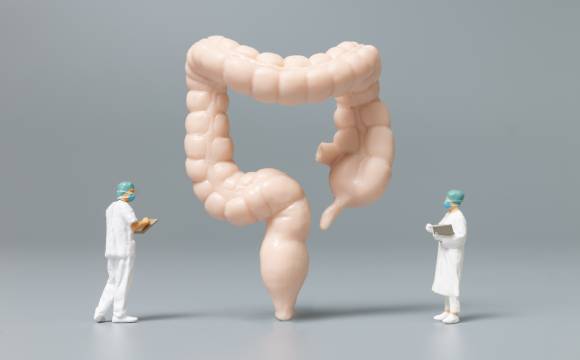
Small Bowel Obstruction
- • Adhesions: Bands of scar tissue from previous surgeries that can constrict the intestine.
- • Hernias: Parts of the intestine protrude through an opening in the abdominal wall.
- • Tumors: Cancerous or benign growths blocking the intestinal passage.
- • Inflammatory Diseases: Conditions such as Crohn’s disease.
- • Intussusception: Occurs when a part of the intestine telescopes into an adjacent segment.
Large Bowel Obstruction
- • Colorectal Cancer: Tumors that block the colon.
- • Volvulus: The intestine twists around itself and occludes.
- • Diverticulitis: Inflammation or infection of small pouches that can form in the walls of the intestine.
- • Strictures: Narrowing of the bowel due to chronic inflammation or past surgeries.
Symptoms
Symptoms of bowel obstruction can vary based on the location and severity of the blockage but commonly include:
- • Abdominal Pain or Cramping: Often described as severe or colicky.
- • Nausea and Vomiting: May occur more prominently in small bowel obstructions.
- • Inability to Pass Gas or Stool: A key sign of obstruction.
- • Abdominal Swelling or Distention: Indicative of gas and fluid accumulation.
- • Constipation: Common in large bowel obstructions.
- • Diarrhea: Can accompany partial obstructions.
Diagnosis
Diagnosing bowel obstruction typically involves:
- Physical Examination: A doctor may perform an abdominal exam to check for distention, tenderness, and bowel sounds.
- Imaging Tests:
- X-rays: Can show blockages or gas patterns indicative of an obstruction.
- CT Scans: Provide detailed images of the intestines to determine the location and cause of the obstruction.
- Ultrasound: More commonly used in children or when radiation exposure is a concern.
- Blood Tests: To assess dehydration, electrolyte imbalances, or infection.
Treatment Options
The treatment approach depends on the type, cause, and severity of the obstruction:
- Non-Surgical Management:
- Bowel Rest: Withholding oral intake to reduce bowel activity.
- Nasogastric Tube (NG Tube): Inserted through the nose into the stomach to decompress the bowel.
- IV Fluids: To address dehydration and electrolyte imbalances.
- Surgical Intervention:
- Required if non-surgical management fails or if there are signs of complications like strangulation or necrosis. Surgery aims to remove obstructions, such as adhesions, tumors, or hernias.
- Non-Surgical Management:
- Often limited, especially in cases of complete blockage.
- Colonoscopy might be used to relieve certain obstructions, like a volvulus.
- Surgical Intervention:
- Necessary to remove tumors, relieve strictures, or repair volvulus.
- Emergency surgery is required in cases of bowel perforation or ischemia.
Conclusion
Bowel obstruction is a potentially serious condition requiring prompt medical evaluation and intervention. Patients experiencing symptoms suggestive of bowel obstruction should seek immediate medical attention to prevent complications and enable timely treatment. Individuals with risk factors or a history of bowel obstructions should engage in regular follow-ups with their healthcare provider.