
Colon and Rectum
What are the Colon and Rectum?
The colon and rectum are crucial components of the gastrointestinal (GI) tract, playing vital roles in digestion, nutrient absorption, and waste elimination. Together, they form the large intestine, which extends from the end of the small intestine to the anus. Early detection of colon cancer symptoms and rectal diseases is important for timely diagnosis and treatment.
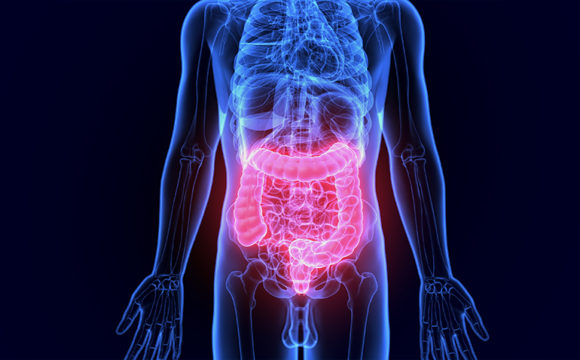
Functions of the Colon and Rectum
- Water Absorption:
- The primary function of the colon is to absorb water and electrolytes from indigestible food matter, converting liquid chyme into semi-solid feces.
- Storage of Waste:
- The colon stores waste products until they are ready to be expelled from the body.
- Fermentation of Undigested Material:
- Beneficial bacteria in the colon ferment undigested carbohydrates, producing short-chain fatty acids and gases.
- Formation of Feces:
- As water is absorbed, fecal matter is formed and transported to the rectum for elimination.
Anatomy of the Colon and Rectum
- Colon: Divided into five main sections:
- Cecum: The first part of the colon, connecting to the small intestine.
- Ascending Colon: Travels upward on the right side of the abdomen.
- Transverse Colon: Crosses horizontally across the abdomen.
- Descending Colon: Travels downward on the left side.
- Sigmoid Colon: The final section before the rectum.
- Rectum: The last part of the large intestine, leading to the anus. It stores feces until elimination.
Overview of Colon and Rectal Diseases
Introduction
Colon and rectal diseases encompass a range of conditions that can significantly impact digestive health and overall well-being. Understanding these diseases is critical for early diagnosis and effective management, particularly for those requiring surgical intervention.
Common Colon and Rectal Diseases
- Definition: Malignant growths that develop in the colon or rectum, often arising from precancerous polyps.
- Risk Factors: Family history, age (over 50), diet (high in red/processed meat), inflammatory bowel diseases (IBD), and certain genetic syndromes (like familial adenomatous polyposis).
- Symptoms: Changes in bowel habits, bleeding from the rectum, unexplained weight loss, abdominal pain, and iron deficiency anemia.
- Diagnosis: Colonoscopy, imaging studies (CT scans), and biopsy.
- Management: Depending on the stage, treatment may involve surgical resection, chemotherapy, radiation therapy, or a combination thereof.
- Definition: Inflammation or infection of diverticula, which are small pouches that can form in the colon.
- Symptoms: Abdominal pain, fever, nausea, and changes in bowel habits, often with attacks of acute pain.
- Diagnosis: CT scan of the abdomen often reveals inflamed diverticula.
- Management: Antibiotics for mild cases; surgical intervention may be needed for recurrent or severe diverticulitis, including segmental resection or colostomy.
- Definition: A functional gastrointestinal disorder characterized by abdominal pain and altered bowel habits.
- Symptoms: Cramping, bloating, diarrhea, constipation, or alternating patterns of both.
- Diagnosis: Primarily clinical diagnosis based on symptom criteria (Rome IV criteria).
- Management: Lifestyle and dietary modifications, medications to manage symptoms.
- Types: Includes Crohn’s disease (which can affect any part of the GI tract) and ulcerative colitis (restricted to the colon and rectum).
- Symptoms: Abdominal pain, diarrhea (possibly bloody), and weight loss.
- Diagnosis: Endoscopy, imaging, and laboratory tests for inflammation markers.
- Management: Medication (anti-inflammatory drugs, immunosuppressants), dietary management, and surgical intervention for severe cases or complications.
- Definition: Swollen veins in the rectal area that can cause pain, itching, and bleeding.
- Symptoms: Rectal bleeding, discomfort, and visible lumps.
- Diagnosis: Clinical examination, sometimes requiring anoscopy.
- Management: Dietary changes, topical treatments, and surgical options (such as hemorrhoidectomy) if they are severe or recurrent.
- Definition: Growths on the lining of the colon, which can be benign or precancerous.
- Types: Adenomatous polyps (potentially precancerous), hyperplastic polyps (typically benign).
- Symptoms: Usually asymptomatic but can lead to rectal bleeding or changes in bowel habits if large.
- Diagnosis: Detected via colonoscopy.
- Management: Polypectomy during colonoscopy; regular surveillance colonoscopy is recommended to monitor for new polyp formation.
Symptoms to Monitor
Patients should be aware of the following symptoms that may indicate colon or rectal disorders:
- Abdominal Pain: Especially persistent pain or cramping in the lower abdomen.
- Changes in Bowel Habits: Such as diarrhea, constipation, or alternating patterns.
- Rectal Bleeding: Blood in the stool, or dark, tarry stools.
- Unexplained Weight Loss: Not attributed to dietary changes or increased activity.
- Fatigue or Weakness: Indicative of anemia or other underlying conditions.
When to Seek Medical Attention
It is imperative for patients to contact a healthcare provider if experiencing:
- Persistent abdominal pain or discomfort.
- Changes in bowel habits or the onset of diarrhea or constipation that lasts more than a few days.
- Rectal bleeding or blood in the stool.
- Unexplained weight loss.
- Signs of dehydration or severe gastrointestinal distress.
Early recognition and diagnosis of colon and rectal diseases are vital for effective management and optimal health outcomes. Patients with concerns regarding their gastrointestinal health should consult their healthcare provider for thorough evaluation and advice.
Overview of Colon and Rectal Surgery
Introduction
Colon and rectal surgery includes various surgical procedures aimed at treating a range of conditions affecting the colon and rectum. Conditions may include colorectal cancer, inflammatory bowel disease, diverticulitis, and benign lesions such as polyps or hemorrhoids. This guide thoroughly outlines the surgical interventions available, emphasizing their indications, techniques employed, recovery expectations, and potential complications.
Types of Colon and Rectal Surgery
1. Colectomy
Definition: Colectomy refers to the surgical removal of a portion (partial colectomy) or all (total colectomy) of the colon.
- Colorectal Cancer: For resectable tumors localized in the colon.
- Diverticulitis: Particularly in cases with complications like abscess, perforation, or fistula.
- Inflammatory Bowel Disease: Severe cases of Crohn’s disease or ulcerative colitis when medical treatment fails.
- Bowel Obstruction: Due to strictures or malignant lesions that lead to blockage.
- Severe Benign Conditions: Such as large polyps that are at risk of undergoing malignant transformation.
- Open Colectomy:
- Involves a large abdominal incision to access the colon.
- Used when extensive abdominal exploration is required or in complex cases with significant scarring.
- Laparoscopic Colectomy:
- A minimally invasive approach utilizing small incisions and camera-assisted technology.
- Benefits include reduced pain, shorter hospital stays, and faster recovery times.
- Anesthesia: General anesthesia is administered.
- Incision: Based on the surgical technique, either a large incision for open surgery or several small incisions for laparoscopic surgery.
- Resection: The affected portion of the colon is identified and carefully excised.
- Anastomosis: If applicable, the two ends of the remaining colon are reconnected (anastomosis).
- Closure: The incision(s) are closed with sutures or staples.
Duration: The surgery typically lasts between 2 to 6 hours, depending on the complexity and type of surgery performed.
- Hospital Stay: Usually ranges from 3 to 7 days, depending on the patient’s recovery.
- Postoperative Monitoring: Regular assessments for bleeding, infection, and bowel function.
- Dietary Management: Patients generally start on a clear liquid diet and gradually progress to solid foods.
- General Surgical Risks: Include infection, bleeding, and complications related to anesthesia.
- Specific Complications:
- Anastomotic Leak: Leakage at the site of bowel reconnection, which may lead to peritonitis and require reoperation.
- Bowel Obstruction: Can occur postoperatively from adhesions.
- Nutritional Deficiencies: Resulting from malabsorption or altered bowel function.
2. Rectal Surgery
Definition: Rectal surgery encompasses procedures that focus on conditions affecting the rectum, leading to various treatment approaches depending on the underlying pathology.
- Low Anterior Resection (LAR):
- Indications: Typically indicated for rectal cancer localized above the anal sphincter.
- Technique: Involves resection of the rectum along with anastomosis to the remaining colon.
- Abdominoperineal Resection (APR):
- Indications: Indicated for lower rectal tumors where sphincter preservation is not possible.
- Technique: Removal of the rectum and anus, resulting in a permanent colostomy.
- Anesthesia: General anesthesia is administered to ensure comfort.
- Incision: Depending on the surgical approach, either through the abdomen (for LAR and APR) or perineum for perineal approaches.
- Resection: The diseased portion of the rectum is excised, and if performing a low anterior resection, the remaining rectum is anastomosed to the colon.
- Closure: The incision is closed in layers, and a colostomy may be created in the case of APR.
Duration: Typically ranges from 3 to 6 hours, depending on the complexity of the resection.
- Hospital Stay: Usually 5 to 7 days in the hospital.
- Monitoring: Focused on bowel function and potential complications.
- Infection: Risk of developing infections at the surgical site.
- Pelvic Floor Dysfunction: Potential bowel incontinence post-surgery.
- Anastomotic Complications: Risks of leakage and stricture formation at the site of reconnection.
3. Other Surgical Procedures
- Definition: Surgical removal of hemorrhoids that are symptomatic and do not respond to conservative therapy.
- Indications: For patients with severe, recurrent hemorrhoids.
- Recovery: Patients typically spend 1 day hospitalized post-surgery.
- Definition: The removal of polyps during colonoscopy.
- Indications: For benign or precancerous growths.
- Recovery: Usually outpatient; minimal recovery time required.
Conclusion
Colon and rectal surgery encompasses a variety of surgical interventions tailored to managing various gastrointestinal diseases and conditions effectively. Each type of surgery, whether it’s colectomy, rectal resection, or other interventions, presents specific indications, techniques, and potential complications that must be understood by healthcare providers. Evaluating patient eligibility through preoperative assessments is crucial to optimizing surgical outcomes and managing risks effectively.