
Stomach Pain, Diagnosis, and Treatment
What is the Stomach?
The stomach is a muscular, hollow organ located in the upper abdomen that plays a vital role in the digestive process. It is an integral part of the gastrointestinal (GI) tract and serves as the primary site for food storage and digestion before it progresses to the small intestine. Get expert stomach treatment for acid reflux, persistent pain, and digestive discomfort. Comprehensive care of acid reflux symptoms and effective gastritis treatment to help improve digestive health and overall well-being.
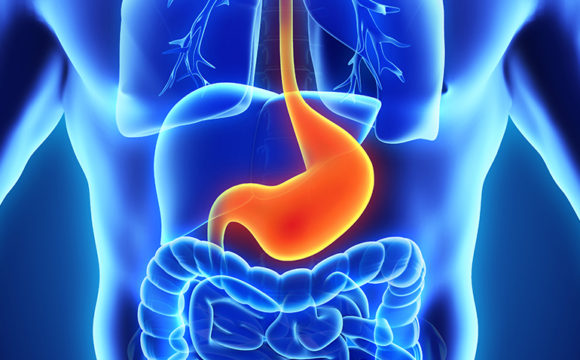
Functions of the Stomach
- Storage of Food: The stomach acts as a storage reservoir, allowing for the gradual release of partially digested food into the small intestine.
- Mechanical Digestion: Muscle contractions in the stomach (peristalsis) mix food with gastric juices, breaking it down into a semi-liquid form called chyme.
- Chemical Digestion: Gastric juices, including hydrochloric acid (HCl) and digestive enzymes such as pepsin, help in breaking down proteins and activating other digestive enzymes.
- Absorption: While the majority of nutrient absorption occurs in the small intestine, the stomach can absorb certain substances, including water, alcohol, and some medications.
Anatomy of the Stomach
The stomach consists of several parts:
- Cardia: The area where the esophagus connects to the stomach.
- Fundus: The upper dome-shaped region of the stomach that expands to accommodate food.
- Body: The central region where food mixes with gastric juices.
- Pylorus: The lower section that connects to the duodenum, the first part of the small intestine, and regulates the passage of chyme.
Health Tips for Maintaining a Healthy Stomach
To promote optimal stomach health, consider the following lifestyle tips:
- Eat a Balanced Diet: Include a variety of fruits, vegetables, whole grains, and lean proteins.
- Stay Hydrated: Drink plenty of water to aid digestion.
- Avoid Overeating: Eating in moderation can prevent excessive strain on the stomach.
- Limit Alcohol and Tobacco Use: Both can contribute to gastric irritation and increase the risk of health problems.
- Manage Stress: Stress management techniques can help reduce the impact of stress on digestive health.
Overview of Gastric Diseases
Introduction
The stomach can be affected by various diseases, each with the potential to disrupt its essential functions. Understanding these conditions is crucial for early diagnosis and appropriate treatment.
Common Gastric Diseases
- Gastritis
- Definition: Inflammation of the stomach lining, which can be acute or chronic.
- Causes: Infection (commonly H. pylori), excessive alcohol consumption, certain medications (like NSAIDs), or autoimmune disorders.
- Symptoms: Abdominal pain, nausea, vomiting, and bloating.
- Diagnosis: Gastroscopy or endoscopy may be necessary to visualize the stomach lining and obtain biopsies.
- Management: Treatment primarily involves eliminating the cause (antibiotics for H. pylori), avoiding irritants, and symptomatic relief with medications such as antacids, proton pump inhibitors, or H2 blockers.
- Peptic Ulcer Disease
- Definition: Open sores or lesions that develop on the gastric mucosa or the duodenum.
- Causes: Commonly caused by H. pylori infection, long-term use of NSAIDs, or excessive acid production.
- Symptoms: Burning stomach pain, bloating, indigestion, and nausea.
- Diagnosis: Endoscopy, barium swallow tests, and biopsy for H. pylori testing.
- Management: Reduction of stomach acid with medications and, in some cases, surgery if patients experience complications or do not respond to medical therapy.
- Gastric Cancer
- Definition: Malignancy arising from the stomach lining; often asymptomatic in early stages.
- Risk Factors: Chronic gastritis, dietary factors (high salt, low fruit intake), H. pylori infection, and family history.
- Symptoms: Weight loss, loss of appetite, abdominal pain, and gastrointestinal bleeding.
- Diagnosis: Imaging studies (CT, MRI), endoscopy with biopsy, and histopathological analysis.
- Management: Surgical resection (partial or total gastrectomy), chemotherapy, and radiotherapy depending on the stage.
- Gastroesophageal Reflux Disease (GERD)
- Definition: A chronic digestive condition where stomach acid frequently flows back into the esophagus.
- Symptoms: Heartburn, regurgitation, chest pain, and difficulty swallowing.
- Diagnosis: Patient history, endoscopy, and pH monitoring.
- Management: Lifestyle modification, medications (antacids, proton pump inhibitors), and possibly surgery (fundoplication) in severe cases.
- Gastroparesis
- Definition: A condition characterized by delayed gastric emptying due to abnormal motility of the stomach.
- Causes: Diabetic neuropathy, post-surgical complications, or idiopathic.
- Symptoms: Nausea, vomiting, bloating, and early satiety.
- Diagnosis: Gastric emptying studies and symptoms tracking.
- Management: Dietary changes (small, frequent meals), prokinetic medications, and in severe cases, gastric electrical stimulation or surgery.
- Functional Dyspepsia
- Definition: A common disorder characterized by chronic or recurrent discomfort in the upper abdomen without an identifiable cause.
- Symptoms: Early satiety, bloating, and upper abdominal pain.
- Diagnosis: Primarily based on clinical symptoms after ruling out other gastrointestinal diseases through testing.
- Management: Lifestyle modifications, medications, and psychological support if stress or anxiety is a contributing factor.
Symptoms to Monitor
Patients should monitor for the following symptoms that may indicate gastric disorders, prompting further evaluation:
- Persistent Abdominal Pain: Especially in the upper abdominal region.
- Nausea or Vomiting: Especially if recurrent or severe.
- Unexplained Weight Loss: Significant fluctuations without intentional lifestyle changes.
- Changes in Appetite: Marked decrease or increase necessitating attention.
- Gastrointestinal Bleeding: Such as black or bloody stools or vomiting blood.
When to Seek Medical Attention
It is crucial to encourage patients to consult a healthcare provider if experiencing:
- Persistent abdominal pain.
- Changes in bowel habits or stool color.
- Unexplained weight loss.
- Symptoms of gastrointestinal bleeding or jaundice.
Overview of Gastric Surgery
Introduction
Gastric surgery is often indicated to treat various conditions affecting the stomach, including malignancies, chronic ulcers, and functional disorders. Understanding the types of gastric surgeries, indications, surgical techniques, recovery processes, and potential complications is essential for effective patient management.
Types of Gastric Surgery
- Definition: Surgical removal of a part of the stomach, often performed to treat gastric cancer or severe ulcers.
- Indications:
- Malignant Tumors: For patients with localized gastric cancer.
- Benign Tumors: Such as large adenomas that pose risks.
- Severe Ulcers: When conservative management fails and complications arise.
- Surgical Technique:
- Anesthesia: General anesthesia is employed.
- Procedure Overview:
- An abdominal incision is made: The affected portion of the stomach is excised.
- The remaining stomach is reconstructed: Often by connecting it to the duodenum or jejunum.
- Duration: Typically lasts between 2 to 4 hours.
- Recovery:
- Hospital Stay: Patients generally remain in the hospital for 3 to 7 days.
- Dietary Management: Patients start with a liquid diet, gradually progressing to solid food as tolerated.
- Potential Complications:
- Infection: Risk of surgical site infection or peritonitis.
- Bleeding: Postoperative hemorrhage may occur.
- Dumping Syndrome: Rapid emptying of stomach contents into the small intestine leading to gastrointestinal symptoms.
- Definition: Complete removal of the stomach, often necessitated by advanced malignancy.
- Indications:
- Extensive Gastric Cancer: Particularly when the cancer has invaded surrounding structures.
- Severe Chronic Conditions: Such as intractable ulcers or chronic bleeding.
- Surgical Technique:
- Anesthesia: General anesthesia is given to the patient.
- Procedure Steps:
- Extensive abdominal incision: To remove the entire stomach.
- Rerouting the digestive tract: To connect the esophagus directly to the small intestine.
- Duration: Typically takes between 4 to 6 hours.
- Recovery:
- Hospital Stay: Generally spans 7 to 14 days for recovery and monitoring.
- Long-Term Dietary Support: Patients will require ongoing nutritional management, including vitamin supplementation.
- Potential Complications:
- Nutritional Deficiencies: Severe nutrient malabsorption can occur, necessitating careful dietary planning and supplementation.
- Esophageal Leakage: Risk of complications from the anastomosis between the esophagus and intestine.
- Dumping Syndrome: Common after total gastrectomy, leading to rapid gastric emptying.
- Definition: Sleeve gastrectomy is a type of weight-loss surgery that involves the removal of a significant portion of the stomach, resulting in a tubular or “sleeve”-shaped stomach. This procedure reduces the stomach’s capacity and alters hormonal secretion, contributing to weight loss.
- Indications:
- Severe Obesity: Appropriate for patients with a Body Mass Index (BMI) ≥ 40 or BMI ≥ 35 with obesity-related comorbidities (such as type 2 diabetes, hypertension, and sleep apnea) who have been unsuccessful in losing weight through non-surgical measures.
- Patients Seeking Significant Weight Loss: Ideal for those looking for substantial and sustained weight reduction as part of a comprehensive weight management plan.
- Surgical Technique:
- Overview: The procedure is typically performed using laparoscopic techniques, which are minimally invasive.
- Procedure Steps:
- Anesthesia: General anesthesia is administered.
- Incision: Small incisions are made in the abdomen to insert the laparoscope and surgical instruments.
- Resection: Approximately 75% to 80% of the stomach is removed, leaving a narrow, sleeve-like stomach.
- Stomach Closure: The remaining portion of the stomach is then carefully closed using staples.
- Monitoring: At the conclusion of the surgery, the remaining stomach is assessed for bleeding and proper closure.
- Duration: The procedure usually takes about 1.5 to 3 hours, depending on the surgical technique and individual patient factors.
- Recovery:
- Hospital Stay: Patients typically spend 2 to 3 days in the hospital post-surgery. During this time, they are monitored closely for complications and recovery progress.
- Nutrition: Patients will begin on a clear liquid diet right after surgery, progressing to a pureed diet as tolerated and gradually transitioning to solid foods over several weeks.
- Follow-Up Care: Regular follow-up appointments are essential for nutritional guidance and monitoring weight loss progress.
- Potential Complications:
- Nutritional Deficiencies: Due to reduced stomach size and altered absorption, patients may experience deficiencies in vitamins and minerals, requiring lifelong supplementation (particularly vitamin B12, iron, calcium, and vitamin D).
- Gastric Leakage: There is a risk of leakage from the staple line in the stomach, which can lead to serious complications such as infection or abscess formation.
- Gastroesophageal Reflux Disease (GERD): Some patients may develop reflux symptoms post-operatively, requiring management.
- Dumping Syndrome: Although less common than in gastric bypass, some patients may experience rapid gastric emptying, leading to gastrointestinal symptoms.
- Weight Regain: Without adherence to dietary recommendations and lifestyle changes, patients may regain weight over time.
- Definition: Nissen fundoplication is a surgical procedure that involves wrapping the top part of the stomach (the fundus) around the lower esophagus to prevent acid reflux and treat gastroesophageal reflux disease (GERD).
- Indications:
- Gastroesophageal Reflux Disease (GERD): Indicated for patients with severe GERD who have not responded adequately to pharmacological treatments.
- Hiatal Hernia: Applicable in cases where there is an associated hiatal hernia that contributes to reflux symptoms.
- Complications from GERD: Such as esophagitis, Barrett’s esophagus, or strictures.
- Surgical Technique:
- Overview: Typically performed laparoscopically, though it can be done as an open procedure depending on patient factors and surgeon preference.
- Procedure Steps:
- Anesthesia: General anesthesia is administered.
- Incisions: Multiple small incisions are made in the abdomen for laparoscopic access.
- Hiatus Hernia Repair: If present, the hernia is reduced and the diaphragm is repaired.
- Fundoplication: The fundus of the stomach is wrapped around the esophagus and secured in place using sutures, which enhances the lower esophageal sphincter’s ability to prevent reflux.
- Closure: The incisions are closed, and the patient is taken to recovery.
- Duration: The procedure usually takes about 2 to 4 hours.
- Recovery:
- Hospital Stay: Typically lasts 1 to 3 days, with postoperative monitoring for complications.
- Diet: Patients often start on clear liquids and gradually progress to a soft diet, focusing on well-tolerated foods.
- Potential Complications:
- Gas Bloat Syndrome: Difficulty in expelling gas after surgery due to the tight wrap might cause discomfort.
- Difficulty Swallowing (Dysphagia): Can occur if the wrap is too tight.
- Recurrence of Reflux: May occur if the fundoplication fails or is incomplete.
- Injury to Surrounding Structures: Risk of injury to the spleen or other abdominal organs.
- Definition: Toupet fundoplication is another anti-reflux surgical procedure that involves a partial wrap of the stomach around the lower esophagus. It is less extensive than Nissen fundoplication and often employed in specific patient populations.
- Indications:
- Gastroesophageal Reflux Disease (GERD): Indicated for patients with GERD, particularly those who may have motility issues or difficulty in swallowing.
- Hiatal Hernia: Often performed in conjunction with the repair of a hiatal hernia.
- Previous Esophageal Surgery: Suitable for patients who may not tolerate a complete wrap due to prior surgeries.
- Surgical Technique:
- Overview: Often performed laparoscopically, resulting in less postoperative discomfort and quicker recovery times.
- Procedure Steps:
- Anesthesia: Administered under general anesthesia.
- Incisions: Several small incisions are made to allow access to the abdominal cavity.
- Hiatus Hernia Repair: If a hiatal hernia is present, it is corrected at this stage.
- Partial Fundoplication: The fundus of the stomach is wrapped around the lower esophagus typically by about 270 degrees, unlike the complete wrap in Nissen fundoplication. This preserves some esophageal motility.
- Closure: The incisions are closed, and the patient is sent to the recovery area.
- Duration: The procedure typically lasts between 2 to 3 hours.
- Recovery:
- Hospital Stay: Generally lasts 1 to 3 days, with postoperative assessment for complications.
- Diet: A similar progression in diet as Nissen fundoplication, starting with clear liquids and gradually moving towards solids.
- Potential Complications:
- Dysphagia: Swallowing difficulties may occur, particularly if the wrap is too tight.
- Bloating: May experience gas-bloat syndrome like Nissen fundoplication, though usually to a lesser degree due to the partial wrap.
- Recurrence of GERD: There is a risk that reflux may return if the fundoplication fails.
Conclusion
Gastric surgery is an essential component in the management of various gastric diseases and conditions. Each surgical option, whether it is a partial hepatectomy, total gastrectomy, bariatric surgery, or fundoplication, has specific indications, approaches, recovery protocols, and potential complications. A thorough understanding of these elements is crucial for healthcare providers to optimize patient outcomes and ensure effective management of surgical interventions.