
Pilonidal Disease: Symptoms, Diagnosis & Treatment
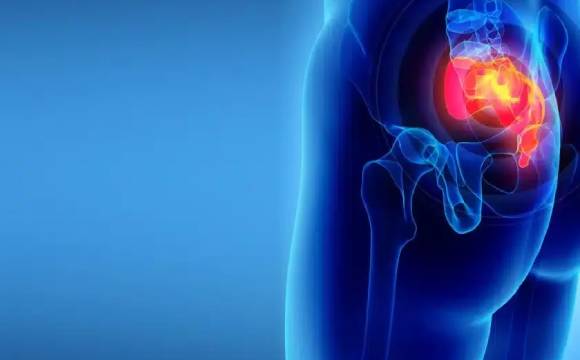
Pilonidal disease is a common condition that primarily affects young adults, often occurring in the cleft at the top of the buttocks, near the sacrum. It typically consists of a cyst or abscess arising from hair follicles that become infected, leading to pain, discomfort, and various complications. The condition is frequently associated with activities that cause prolonged sitting or friction in the area, making understanding its management critical for patients with symptoms. In some cases, the condition may present as a coccygeal cyst or coccyx cyst and can be treated using a range of approaches, including minimally invasive laser techniques.
Symptoms
Patients with pilonidal disease may experience a variety of symptoms, including:
- Pain: Localized pain or tenderness in the sacrococcygeal region, especially while sitting or during physical activity.
- Swelling: Noticeable swelling or a lump in the region, which may indicate an abscess.
- Drainage: Discharge of pus or blood from an opening in the skin, often accompanied by foul-smelling drainage, particularly if the area is infected.
- Fever: In cases of severe infection, systemic symptoms such as fever may occur.
- Recurring Infections: Patients may experience multiple episodes of infection, leading to chronic discomfort.
Diagnosis
The diagnosis of pilonidal disease typically involves:
- Medical History: The healthcare provider will inquire about the patient’s symptoms, duration of discomfort, and any previous episodes.
- Physical Examination: A thorough examination of the affected area is performed. The provider will look for swelling, redness, and discharge around the tailbone or any visible openings in the skin that could signify a sinus tract.
- Imaging Studies: While imaging is not routinely required for uncomplicated cases, it may be utilized if there is suspicion of an extensive abscess or if surgical intervention is planned. An ultrasound can help assess the extent of the disease.
Treatment Techniques
Incision and Drainage
- Description: A procedure to drain an abscess and relieve pain.
- Indications: Typically performed for acute pilonidal abscesses.
Open Technique (Excision and Open Healing)
- Overview: Involves the surgical excision of the cyst or sinus, leaving the wound open to heal naturally.
- Benefits:
- Lower Recurrence Rate: The open technique has been associated with a smaller risk of recurrence compared to other closure methods.
- Less Tension on Wound: Reduces the risk of complications associated with sutured closures.
- Procedure Steps:
- Anesthesia: The procedure is performed under local or general anesthesia, depending on the extent of the disease and patient preference.
- Excision: The surgeon removes the infected tissue or sinus tracts to ensure complete removal of the affected area.
- Wound Management: The wound is left open and appropriately dressed to promote healing.
Closed Technique (Fistulotomy or Flap Surgery)
- Description: Involves closing the wound immediately after excision or reconstructing it with a flap of tissue.
- Indications: Often utilized for more extensive disease.
What to Expect Following Open Surgery
- Immediate Recovery: Patients may experience discomfort in the postoperative area, which is manageable with prescribed pain medications.
- Wound Care: Regular dressing changes and care instructions will be provided to prevent infection and ensure proper healing.
- Activity Restrictions: Patients are usually advised to avoid strenuous physical activities and prolonged sitting for a few weeks.
- Follow-Up Appointments: Regular follow-ups to monitor the healing process and address any complications.
Potential Complications
Regardless of the surgical technique chosen, some complications may arise, including:
Common Risks
- Infection: There is a risk of developing postoperative infections at the surgical site, requiring close monitoring and possibly antibiotics.
- Hemorrhage: Internal or external bleeding can occur following surgery.
Specific Complications
- Open Technique:
- Delayed Wound Healing: As the wound heals by secondary intention, it may take longer for the wound to close completely.
- Granuloma Formation: Excessive tissue growth at the wound site that may require additional treatment.
- Closed Technique (Fistulotomy or Flap Surgery):
- Higher Recurrence Rates: Although effective for many cases, recurrence rates can be higher if the excision is not adequately performed.
- Wound Dehiscence: Risk of the surgical site coming apart (opening), particularly if proper care instructions are not followed.
- Complications from Flap Surgery: Include flap necrosis or insufficient blood supply leading to failure of the flap.