
Hemorrhoids Surgery and Treatment
Hemorrhoids, also known as piles, are swollen veins located in the lower rectum and anus. They are a common condition that affects a significant portion of the population at some point in their lives. Hemorrhoids can lead to discomfort, pain, and bleeding, often impacting a person’s quality of life. Effective hemorrhoids treatment is essential to manage symptoms and prevent complications of the disease. In more severe cases, surgery may be recommended to provide long-term relief.
Symptoms
Patients with hemorrhoids may experience a variety of symptoms, including:
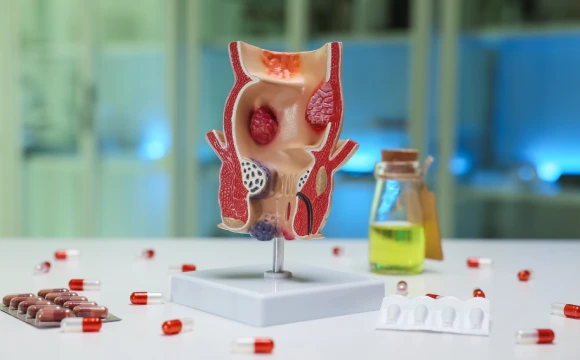
- Bleeding: Bright red blood may appear on toilet paper or in the toilet bowl.
- Pain or Discomfort: Particularly with bowel movements or prolonged sitting.
- Itching or Irritation: Around the anal area due to inflammation.
- Swelling or Lump: A noticeable lump or swelling near the anus, especially with external hemorrhoids.
- Mucus Discharge: During bowel movements, mucus may be present in addition to blood.
Diagnosis
The diagnosis of hemorrhoids typically involves:
- Medical History: A thorough discussion of symptoms and medical history.
- Physical Examination: An inspection of the anal region and palpation may reveal external hemorrhoids or other conditions.
- Digital Rectal Examination: A healthcare provider can assess for internal hemorrhoids and rule out other rectal conditions.
- Anoscopy or Sigmoidoscopy: In some cases, specialized instruments may be used to visualize the inside of the rectum to confirm the diagnosis and assess for other possible issues.
Treatment Options
Treatment for hemorrhoids may vary based on severity and symptoms. Options include:
Conservative Treatments
- Lifestyle Changes: Increased dietary fiber intake and hydration to ease constipation.
- Home Remedies: Warm sitz baths and topical creams or ointments (e.g., hydrocortisone) to reduce inflammation and discomfort.
- Over-the-counter Medications: Pain relievers such as acetaminophen or ibuprofen can help alleviate discomfort.
Minimally Invasive Procedures
- Rubber Band Ligation: A band is placed around the base of internal hemorrhoids to cut off their blood supply, causing them to shrink.
- Sclerotherapy: Injection of a solution into the hemorrhoid, leading to reduction in size.
Surgical Treatments
Surgical intervention may be necessary for severe cases or when other treatments fail. Common surgical options include:
- Definition: This classic surgical technique involves the complete excision of hemorrhoidal tissue while leaving the surgical site open to heal by secondary intention.
- Benefits:
- Lower Recurrence Rate: Associated with a significantly lower risk of recurrence compared to methods involving sutured closures.
- Less Tension on Wound: Reduces the complications associated with tightened areas of the wound, promoting better healing.
- Procedure Steps:
- Anesthesia: General or spinal anesthesia is used.
- Incision: A circumferential incision around the hemorrhoidal tissue is made.
- Resection: The hemorrhoids and any excess surrounding tissue are excised.
- Closure: The surgical area is left open, with appropriate wound care provided postoperatively.
- Closed Hemorrhoidectomy (Stapled Hemorrhoidopexy):
- Involves removal of hemorrhoids and the use of a stapler to close the tissue. It is less painful than open surgery but may have a higher recurrence rate.
- Transanal Hemorrhoidal Dearterialization (THD):
- A minimally invasive technique that selectively ligates the arteries supplying the hemorrhoids under ultrasound guidance, leading to reduced blood flow and subsequent shrinkage.
- Laser Hemorrhoidoplasty:
- Definition: A minimally invasive procedure that uses laser energy to shrink hemorrhoid tissue.
- Benefits:
- Reduced Pain: Generally causes less postoperative pain compared to traditional surgical methods.
- Minimal Bleeding: The laser cauterizes tissue, reducing bleeding during and after the procedure.
- Quick Recovery: Typically allows for a faster recovery period and quicker return to normal activities.
- Procedure Steps:
- Anesthesia: General anesthesia.
- Laser Application: A laser probe is inserted into the hemorrhoid, and laser energy is applied to the hemorrhoidal tissue.
- Tissue Shrinkage: The precise application of laser energy leads to coagulation and shrinking of hemorrhoid tissue, preserving the surrounding mucosa and sphincter structures.
Recovery After Surgery
Following surgical interventions for hemorrhoids, patients can typically expect the following:
- Immediate Recovery: Postoperative discomfort that can be managed with prescribed pain medications.
- Wound Care: Regular dressing changes and care instructions will be provided for healing and to prevent infection.
- Activity Restrictions: Patients are advised to avoid heavy lifting and prolonged sitting right after surgery.
- Follow-Up Appointments: Regularly scheduled follow-ups to monitor healing and manage any possible complications.
Potential Complications of All Techniques
Regardless of the surgical technique, complications may arise:
- Common Risks:
- General Surgical Risks: Include bleeding, infection, and anesthesia-related complications.
- Specific Complications:
- Open Technique:
- Delayed Wound Healing: As healing occurs by secondary intention, it may take longer for the wound to close completely.
- Granuloma Formation: Excessive tissue growth at the surgical site may require additional treatments.
- Anal Stenosis: Narrowing of the anal canal may occur if excessive tissue is removed.
- Closed Techniques (Stapled Hemorrhoidectomy, THD):
- Higher Recurrence Rates: Recurrences can be more common if excision is not thorough.
- Wound Dehiscence: Risk of the surgical site separating due to tension or infection.
- Anal Stenosis: Narrowing of the anal canal may occur if excessive tissue is removed.
- Open Technique:
Conclusion
Hemorrhoids are a common condition that can lead to significant discomfort and complications if not treated adequately. This informative paper highlights the various treatment options available, including surgical methods. A thorough understanding of symptoms, diagnostic approaches, treatment options, and potential complications is essential for empowering patients to make informed decisions regarding their care.