
What is an Anorectal Abscess? Symptoms & Treatment
An anorectal abscess is a painful condition characterized by a collection of pus located in the tissues surrounding the anus and rectum. It results from an infection in the anal glands, which leads to the formation of a pus-filled cavity. Prompt diagnosis and treatment are essential to prevent complications such as fistula formation. A perianal, ischiorectal, intersphincteric, or supralevator abscess is a type of anorectal abscess that can occur in this region, and early recognition of symptoms of an anal abscess is important for timely medical care.
Causes
Anorectal abscesses occur due to:
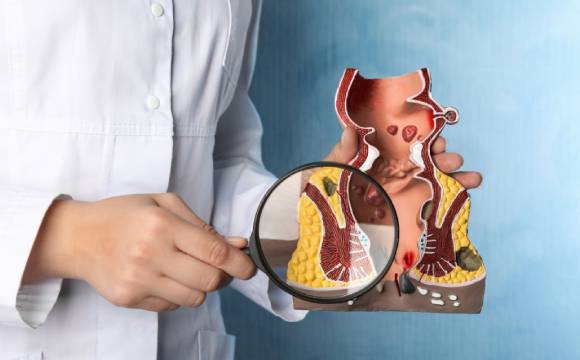
- Infection in Anal Glands: Blockage and subsequent infection of the anal glands are the most common cause.
- Chronic Inflammatory Diseases: Conditions like Crohn’s disease and ulcerative colitis can predispose individuals to infections that cause abscesses.
- Trauma or Injury: Anal trauma, including cuts or tears, can lead to the formation of an abscess if bacteria enter through the damaged tissue.
- Other Infections: Sexually transmitted infections or tuberculosis can occasionally lead to anorectal abscesses.
Symptoms
Common symptoms of an anorectal abscess include:
- Severe Pain: Constant pain in the anal or rectal region, often worsening with bowel movements or sitting.
- Redness and Swelling: Noticeable swelling or a visible lump near the anus.
- Fever and Chills: Indicating systemic infection.
- Discharge: Pus or blood may drain from the abscess, leading to relief of pressure and pain.
- Irritation or Itching: Around the anal area.
Diagnosis
Diagnosis of an anorectal abscess typically involves the following:
- Physical Examination: A healthcare provider will check for swollen, red, or tender areas around the anus.
- Digital Rectal Exam: To assess deeper abscesses that may not be externally visible.
- Imaging Tests: In some cases, an MRI may be used to identify deeper abscesses and plan appropriate treatment.
Types
Anorectal abscesses are classified based on their location:
- Perianal Abscess: The most common type, located near the anus.
- Ischiorectal Abscess: Located in the ischiorectal fossa, deeper in the buttocks tissue.
- Intersphincteric Abscess: Found between the internal and external sphincter muscles.
- Supralevator Abscess: Situated above the levator ani muscle, deeper in the pelvis.
Treatment Options
- Incision and Drainage: The primary treatment, usually performed under local or general anesthesia, involves making an incision to allow the pus to drain out.
- Antibiotics: Prescribed to treat or prevent infection, especially in patients with weakened immune systems or extensive cellulitis.
- Pain Management: Over-the-counter or prescribed medication to manage pain during recovery.
- Warm Sitz Baths: To reduce pain and promote healing of the area.
- Follow-up Care: Monitoring by a healthcare provider to ensure the abscess heals properly and to prevent complications such as the development of a fistula.