
Anal Fistula: An Overview of Causes, Symptoms and Treatment
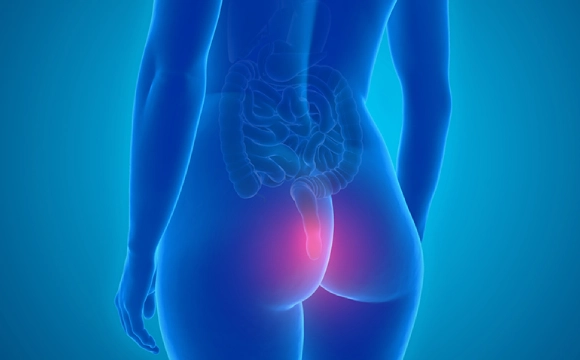
An anal fistula is an abnormal connection that forms between the inside of the anal canal and the external skin near the anus. It often results from an untreated anal abscess, a pus collection around the anus and rectum. Anal fistulas can cause discomfort and require medical treatment to heal properly. The most effective anal fistula treatment depends on the type and severity of the condition and is usually determined after proper medical evaluation.
Causes
The primary cause of an anal fistula is an inadequately treated or untreated anal abscess. Other causes and contributing factors may include:
- Chronic Inflammatory Diseases: Conditions like Crohn’s disease or ulcerative colitis can lead to fistula formation.
- Infections: Tuberculosis and sexually transmitted infections can cause anal fistulas in rare cases.
- Trauma: Injury to the anal or rectal area can occasionally result in fistula development.
- Cancer or Radiation Therapy: In rare cases, these can lead to fistula formation due to tissue damage.
Symptoms
- Pain and Swelling: Near the anus, particularly when sitting down or during bowel movements.
- Irritation or Redness: Around the anus.
- Pus or Bloody Discharge: From an opening around the anus, often associated with a foul odor.
- Recurrent Anal Abscesses: Persistent or recurring abscesses can indicate a fistula.
- Fever or Fatigue: In some cases, systemic infection symptoms may be present.
Diagnosis
Diagnosing an anal fistula typically involves:
- Physical Examination: A doctor will visually inspect the anal region for signs of a fistula, such as an external opening or discharge.
- Digital Rectal Exam: The doctor may perform a digital examination to feel for any abnormalities inside the anal canal.
- Anoscopy: A small instrument is used to look inside the anus and rectum for the internal opening of the fistula.
- Imaging Tests: In some cases, tests like an MRI or ultrasound may be used to provide a detailed view of the fistula’s path and its relation to surrounding structures, aiding in surgical planning.
Relation to Anal Abscess
Types of Anal Fistulas
Anal fistulas are classified according to their relation to the anal sphincter muscles:
- Intersphincteric Fistula: The most common type, running between the internal and external sphincter muscles and exiting near the anus.
- Transsphincteric Fistula: Passes through both the internal and external sphincters, often creating a tract to the perianal skin.
- Suprasphincteric Fistula: Extends from the intersphincteric plane, over the top of the puborectalis muscle, and then down to the perianal skin.
- Extrasphincteric Fistula: Begins at the rectum or sigmoid colon and travels around the external sphincter, exiting near the anus. It is typically associated with trauma or inflammation, such as Crohn’s disease.
- Subcutaneous Fistula: Travels just beneath the skin and does not involve sphincter muscles.
Treatment Options
Treating anal fistulas often requires surgery to properly heal, as non-surgical methods are typically not effective. The choice of treatment depends on the fistula’s type and complexity, its location in relation to the anal sphincters, and the patient’s overall health. Here are the most common treatment options:
- Procedure: The most common surgical treatment for simple fistulas. During a fistulotomy, the surgeon opens the entire length of the fistula tract, allowing it to heal from the inside out and be replaced gradually by scar tissue.
- Recovery: The healing process can take several weeks, during which patients are advised to maintain good hygiene and possibly use wound dressings.
- Effectiveness: High success rate, especially for fistulas that do not involve much sphincter muscle.
- Procedure: A seton—a piece of surgical thread—is placed through the fistula tract and tied in a loop. It helps keep the tract open so it can drain, preventing abscess formation and allowing scar tissue to form over time.
- Types: Setons can be loose or cutting. Cutting setons gradually divide the muscle to allow the fistula to heal, while loose setons are used for long-term drainage.
- Effectiveness: Useful for complex fistulas or those traversing significant muscle tissue, reducing the risk of incontinence.
- Procedure: Involves removing the internal opening of the fistula and covering it with a flap of healthy rectal tissue. This preserves the sphincter muscle and promotes healing without laying open the tract.
- Candidates: Suitable for complex or recurrent fistulas, especially where preserving sphincter function is crucial.
- Effectiveness: Can be highly effective but requires skilled surgical expertise.
- Procedure: Accesses the fistula tract in the intersphincteric space and ligates (ties off) and excises the tract, treating the fistula without cutting any sphincter muscle.
- Advantages: Minimally invasive, lowers the risk of affecting continence.
- Effectiveness: A good option for transsphincteric fistulas and has been shown to be effective, though not typically the first line for simple fistulas.
- Procedure: Involves injecting fibrin glue or inserting a collagen plug into the fistula tract to seal it.
- Advantages: Non-invasive and preserves sphincter integrity. No cutting is involved.
- Effectiveness: Generally less successful than surgical options but can be considered for certain fistulas or when surgery poses a high risk.
- Procedure: This minimally invasive technique uses a radial-emitting laser fiber to close the fistula tract. The laser energy causes shrinkage of the tissue, leading to closure of the fistula.
- Advantages: Minimally invasive with a focus on preserving the sphincter muscle. This method reduces the risk of incontinence.
- Effectiveness: Promising results for simple and some complex fistulas, although availability and long-term success rates may vary depending on the practitioner’s experience.
Considerations
- Post-operative Care: After surgery, patients are usually advised to maintain a high-fiber diet, stay hydrated, and practice good anal hygiene. Sitz baths can provide relief and promote healing.
- Complications: Potential complications could include infection, recurrence of the fistula, or, rarely, changes in bowel control, especially if the sphincters are involved.
- Follow-ups: Regular follow-up appointments are crucial to ensure proper healing and address any complications promptly.
Conclusion
Anal fistulas, while uncomfortable and sometimes painful, are treatable conditions. Early diagnosis and treatment are essential to prevent complications and facilitate healing.