
What is Acute Appendicitis? Symptoms and Treatment
Acute appendicitis is one of the most common surgical emergencies that require prompt diagnosis and treatment. It results from the inflammation of the appendix, a small, tube-like structure attached to the large intestine. Appendicitis surgery is often the definitive treatment required in such cases, especially when appendicitis surgery is urgently required to prevent complications. If left untreated, an inflamed appendix can rupture, leading to serious complications such as peritonitis and abscess formation.
Anatomy and Function
of the Appendix
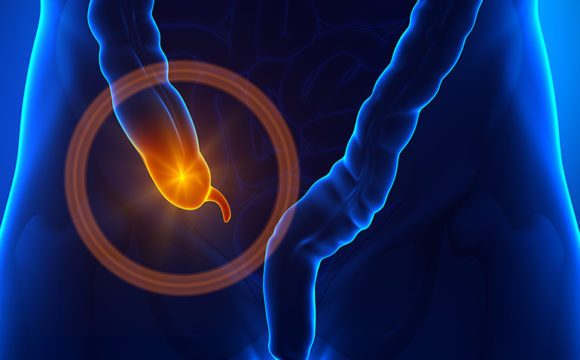
Anatomy
The appendix is a narrow, finger-shaped pouch that is located in the lower right abdomen, arising from the cecum—the beginning of the large intestine. It is typically about 5 to 10 centimetres long and contains lymphoid tissue, which may play a role in immune function.
Function
While the exact purpose of the appendix is not entirely understood, it is believed to have several functions, including:
- Immunological Role: The appendix contains lymphatic tissue that may contribute to immune responses, particularly in young individuals.
- Gut Flora Reservoir: The appendix is thought to act as a reservoir for beneficial bacteria, helping to restore gut flora after gastrointestinal infections.
Symptoms of Acute Appendicitis
- Abdominal Pain: Typically begins as generalized discomfort around the belly button (periumbilical region) and later shifts to the right lower quadrant, becoming sharp and localized.
- Nausea and Vomiting: Often accompanies the onset of abdominal pain.
- Loss of Appetite: A sudden decrease in appetite is common with the development of pain.
- Fever: Low-grade fever may be present, indicating inflammation.
- Constipation or Diarrhea: Some patients may experience changes in bowel habits.
Potential Complications
If not addressed promptly, complications from acute appendicitis can include:
- Ruptured Appendix: Leads to peritonitis, a severe abdominal infection that can be life-threatening.
- Abscess Formation: Localized infection can occur around the appendix or in the peritoneal cavity.
- Intestinal Obstruction: Caused by inflammation or adhesions.
Diagnosis of Acute Appendicitis
Diagnosis of acute appendicitis typically involves:
1. Medical History and Physical Examination:
- Assessment of symptoms and abdominal tenderness, especially in the right lower quadrant, by the healthcare provider.
2.Imaging Studies:
- Ultrasound: Often the first imaging choice, especially in children and pregnant women.
- CT Scan: Provides a more detailed view and is highly sensitive and specific for diagnosing appendicitis.
- Blood tests may show elevated white blood cell counts indicating infection, as well as inflammatory markers like C-reactive protein (CRP).
Treatment of Acute Appendicitis
The standard treatment for acute appendicitis is surgical removal of the appendix, known as an appendectomy.
- Open Appendectomy:
- Involves making a larger incision in the right lower abdomen to remove the appendix.
- Laparoscopic Appendectomy:
- Overview: This minimally invasive approach involves making three to four small incisions in the abdomen.
- Procedure Steps:
- Anesthesia: General anesthesia is provided.
- Trocar Insertion: A laparoscope (a thin tube with a camera) is inserted through one of the small incisions.
- Visualization and Dissection: The abdomen is inflated with carbon dioxide, allowing the surgeon to visualize the appendix clearly and carefully dissect it.
- Removal of Appendix: The inflamed appendix is removed through one of the small incisions, often using an endoscopic stapler for closure.
- Closure: The small incisions are closed with sutures or adhesive strips.
- Reduced Recovery Time: Patients typically experience a faster recovery with minimal postoperative pain compared to open surgery.
- Shorter Hospital Stay: Many patients are discharged the next day.
- Minimal Scarring: Smaller incisions lead to less noticeable scars and a better cosmetic outcome.
- Faster Return to Daily Activities: Patients often resume their normal activities sooner.
Immediate Postoperative Care
- Monitoring: Patients are observed in the recovery area for vital signs and to assess for any immediate complications such as bleeding or infection.
Hospital Stay
- Laparoscopic Appendectomy: Patients typically stay for 1 day.
- Open Appendectomy: Patients may require a longer stay, usually 2 to 3 days, depending on their recovery.
Dietary Management
- Patients usually start with clear liquids immediately after surgery, advancing to solid food as tolerated. Dietary advice may be provided to promote healing and gastrointestinal function.
Activity Level
- Patients are encouraged to gradually increase their activity level, avoiding heavy lifting or strenuous exercise for a few weeks to prevent complications.
Common Risks
- General Surgical Risks: Risks include infection, bleeding, and complications related to anesthesia.
Specific Complications
- Infection:
- Patients may develop surgical site infections that require antibiotics.
- Abscess Formation:
- Can occur if there’s residual infection or leakage, necessitating further intervention.
- Bowel Obstruction:
- Postoperative adhesions may lead to bowel obstruction, requiring additional treatment.
- Delayed Recovery:
- Some patients may experience prolonged recovery due to individual factors.
- Chronic Pain:
- Although rare, some patients may develop chronic pain at the surgical site.