
Weight Loss Through Bariatric Surgery
Bariatric surgery encompasses a range of surgical procedures aimed at facilitating weight loss in individuals with obesity. These surgeries alter the digestive system’s structure and function, leading to reduced food intake and changes in metabolism. The primary objective of bariatric surgery is to help patients achieve significant and sustained weight loss, thereby improving their overall health and reducing the risk of obesity-related diseases, such as type 2 diabetes, hypertension, sleep apnea, and cardiovascular disease. Different procedures are available based on a patient’s health status,Sleeve gastrectomy is one of the most widely performed procedures due to its effectiveness in supporting long-term weight loss.
Indications
Bariatric surgery is typically indicated for patients who meet specific criteria, which include:
- Body Mass Index (BMI):
- A BMI of 40 or above, indicating severe obesity.
- A BMI of 35 or above with obesity-related comorbidities, such as:
- Type 2 diabetes
- Hypertension
- Sleep apnea
- Osteoarthritis
- Other health issues that impact quality of life.
- Failed Weight Loss Attempts: Patients who have tried traditional weight loss methods (diet, exercise, medication) without achieving or maintaining significant weight loss.
- Motivation and Understanding: Patients must demonstrate an understanding of the lifelong commitment to dietary and lifestyle modifications required post-surgery, as well as the potential risks and benefits associated with the procedure.
Brief Description of Different Surgical Techniques
- Gastric Bypass (Roux-en-Y):
- This procedure creates a small pouch from the stomach and reroutes the small intestine to this pouch, leading to reduced food intake and calorie absorption.
- Sleeve Gastrectomy:
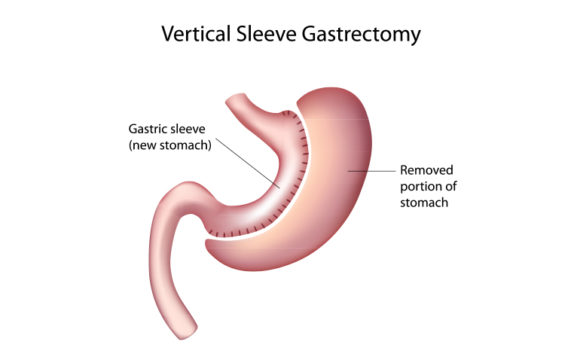
- A significant portion of the stomach is removed, forming a sleeve-like structure. This surgery limits food intake and alters hormonal signals related to hunger and metabolism.
- Adjustable Gastric Banding (Lap-Band):
- An inflatable band is placed around the upper portion of the stomach to create a small pouch, limiting food intake and promoting a feeling of fullness. This method is less common due to lower long-term effectiveness compared to others.
- Biliopancreatic Diversion with Duodenal Switch (BPD/DS):
- This more complex procedure involves a sleeve gastrectomy followed by the rerouting of the small intestine, greatly reducing calorie and nutrient absorption.
Sleeve Gastrectomy
Definition
Sleeve gastrectomy is a surgical weight-loss procedure that involves the removal of a large portion of the stomach, leaving a narrow tube or “sleeve.” This significantly limits the amount of food one can consume and changes the production of hormones that regulate appetite.
Surgical Technique
- Patients undergo a complete medical evaluation, dietary consultations, and psychological assessments.
- NPO (nil per os – nothing by mouth) protocol is initiated the night before surgery.
- General anesthesia is administered to ensure the patient is unconscious and pain-free during the procedure.
- Laparoscopic Approach: Multiple small incisions are made in the abdomen (typically 5-6) for trocar insertion. This technique is less invasive and associated with quicker recovery compared to open surgery.
- Stomach Mobilization: The stomach is mobilized away from surrounding structures.
- Gastric Resection: Approximately 75-80% of the stomach is surgically removed, including the fundus, which significantly decreases the stomach’s size.
- Sleeve Formation: The remaining stomach is stapled vertically to create the sleeve.
- Close the Incisions: The surgical area is inspected for bleeding, and the small incisions are closed using sutures or adhesive strips.
The procedure typically takes about 1.5 to 2 hours.
Recovery
- Immediate Postoperative Care:
- Patients are moved to the recovery unit for monitoring vital signs and assessing for complications.
- Hospital Stay:
- Typically lasts 1 to 3 days, depending on the patient’s recovery progress and tolerability.
- Dietary Management:
- Patients start with clear liquids post-surgery and gradually transition to puréed foods, then solid foods in the subsequent weeks, guided by dietary recommendations.
Complications
- Common Risks:
- General surgical risks include infection, bleeding, and complications related to anesthesia.
- Specific Complications:
- Leakage: Gastrointestinal leakage from the staple line can lead to serious complications, including peritonitis.
- Nutritional Deficiencies: Due to reduced dietary intake and changes in absorption; lifelong monitoring and supplementation of vitamins and minerals may be necessary.
- Gallstones: Rapid weight loss can lead to the formation of gallstones.
- Gastroesophageal Reflux Disease (GERD): Some patients may develop reflux symptoms following surgery.
Long-Term Results
Weight Loss:
On average, patients can expect to lose 50% to 70% of their excess weight within the first 12 to 18 months post-surgery, reaching their goal within 6 months to 2 years.
Sustained Weight Loss:
Studies show that sleeve gastrectomy leads to significant and sustained weight loss for many patients over five years.
Improvement in Comorbidities:
Many patients experience resolution or improvement in obesity-related comorbidities, including type 2 diabetes, hypertension, and sleep apnea.
Quality of Life Improvements:
Patients often report enhanced quality of life, increased mobility, and better psychological well-being as a result of weight loss and improved health.
Conclusion
Bariatric surgery, specifically sleeve gastrectomy, is a transformative approach for managing obesity and its associated comorbidities. Understanding the surgical technique, recovery phases, potential complications, and expected long-term outcomes helps patients make informed decisions about their health. Engaging in a comprehensive preoperative assessment and adhering to postoperative recommendations is vital for achieving successful results.