
Anal Fissure: Symptoms, Diagnosis & Treatment
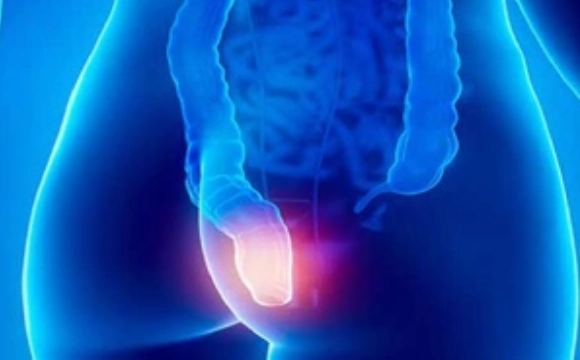
An anal fissure is a small tear in the lining of the anus, commonly resulting in pain and bleeding during or after bowel movements. Although they can be concerning, anal fissures are a frequent condition and usually heal with simple interventions. In some cases, an anal fissure may affect the anal ring and require specialised treatment, including procedures such as internal lateral sphincterotomy when conservative measures are unsuccessful.
Causes
Anal fissures can occur due to:
- Constipation and Passage of Large or Hard Stools: The strain from passing large or hard stools can cause tears in the anal lining.
- Diarrhea: Frequent bowel movements or loose stools can irritate and tear the anal lining.
- Childbirth: Stress and strain during childbirth can result in fissures.
- Anal Intercourse: Engagement can occasionally lead to a fissure due to trauma.
- Underlying Conditions: Less commonly, conditions like Crohn’s disease or infections can lead to fissures.
Symptoms
Common symptoms include:
- Pain: A sharp or burning sensation during or after bowel movements.
- Bleeding: Bright red blood may appear on the stool or toilet paper.
- Itching or Irritation: This may occur around the anal region.
- Visible Tear or Cut: A small tear may be visible on the skin around the anus.
Diagnosis
Diagnosis involves a physical examination and medical history review. Methods include:
- Visual Inspection: Doctors often identify the tear by gently spreading the buttocks.
- Digital Rectal Exam: A fingertip exam may be necessary to further assess the condition, done with caution due to potential pain.
- Other Tests: Additional procedures, like a sigmoidoscopy, may be conducted if underlying conditions are suspected.
Treatment
Most anal fissures heal independently with proper care. Treatment options include:
- Dietary Changes: Increasing fiber intake can help soften stools and reduce strain.
- Hydration: Drinking ample water to prevent constipation.
- Topical Treatments: Applying anesthetics or nitroglycerin ointment to reduce pain and improve healing through increased blood flow.
- Warm Baths: Sitting in warm water (sitz baths) can soothe discomfort.
- Medications: Over-the-counter pain relievers help manage pain.
Botox Injections
Botulinum Toxin (Botox)
What It Is:
Botulinum toxin (Botox) is used for relaxing muscles.
How It Works:
Injected into the internal anal sphincter, Botox relaxes the muscle, reducing spasms and pressure for improved healing.
Procedure:
– Direct injection of Botox into the sphincter muscle.
Efficacy & Duration:
The effects last 2 to 3 months, often resulting in significant symptom relief and allowing the fissure time to heal.
Side Effects:
May include temporary incontinence of gas, with minimal other side effects.
Surgical Treatment: Lateral Internal Sphincterotomy
A procedure to make a small incision in the internal anal sphincter muscle to relieve tension.
How It Works:By partially cutting the sphincter muscle, the surgery reduces pressure on the fissure, promoting healing and reducing recurrence.
Procedure:- Performed under general anesthesia.
- A small incision is made in the internal sphincter, either left to heal openly or sutured.
High success rate, with most patients experiencing relief and healing within weeks. Normal activities can usually resume in a few days.
Risks and Side Effects:Potential for bleeding and infection as with any surgery, with reduced risk of incontinence due to modern techniques.