
Overview of the Gallbladder
Cholelithiasis (gallstones) can affect digestive health and cause uncomfortable symptoms. Early care and a suitable gallstones diet can help support better gallbladder function.
What is the Gallbladder?
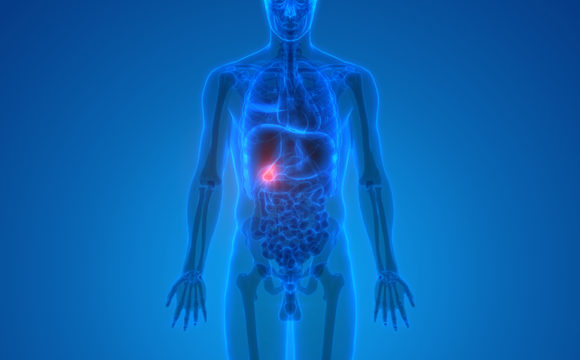
The gallbladder is a small, pear-shaped organ located beneath the liver in the upper right abdomen. Its primary function is to store and concentrate bile, a digestive fluid produced by the liver that helps in the digestion and absorption of fats in the small intestine.
Functions of the Gallbladder
- Bile Storage:
The gallbladder stores bile produced by the liver, releasing it into the small intestine as needed, particularly after meals. - Bile Concentration:
It concentrates bile by absorbing water and electrolytes, which enhances its effectiveness in fat digestion. - Release of Bile:
In response to hormonal signals (specifically cholecystokinin), the gallbladder contracts, releasing bile into the duodenum to aid in digestion.
Anatomy of the Gallbladder
The gallbladder consists of several key parts:
- Fundus: The rounded, distal part that stores bile.
- Body: The main part of the gallbladder that narrows into the neck.
- Neck: The tapered region that connects to the cystic duct.
- Cystic Duct: Connects the gallbladder to the common bile duct, allowing bile to flow to and from the gallbladder.
Health Tips for a Healthy Gallbladder
To maintain gallbladder health, consider the following lifestyle choices:
- Eat a Balanced Diet: Focus on a diet rich in fruits, vegetables, whole grains, and healthy fats, while limiting saturated fats and cholesterol.
- Maintain a Healthy Weight: Obesity is a significant risk factor for gallbladder disease.
- Stay Hydrated: Adequate fluid intake is essential for overall digestive health.
- Exercise Regularly: Physical activity can help maintain a healthy weight and reduce the risk of gallstones.
Overview of Gallbladder Diseases
Introduction
Gallbladder diseases can significantly impair digestive health and may lead to complications requiring surgical intervention. Understanding these conditions is crucial for early diagnosis and effective management.
Common Gallbladder Diseases
- Definition: Solid particles that form in the gallbladder, which can be cholesterol or pigment stones.
- Symptoms: Often asymptomatic, but may cause biliary colic (severe pain in the upper right abdomen), nausea, and vomiting if stones obstruct the bile duct.
- Diagnosis: Imaging studies such as ultrasound are the primary method for detecting gallstones.
- Management: Surgical removal (cholecystectomy) is often indicated if symptoms occur or complications arise.
- Definition: Inflammation of the gallbladder, frequently due to obstruction from gallstones.
- Symptoms: Continuous severe abdominal pain (especially in the upper right quadrant), fever, nausea, and vomiting.
- Diagnosis: Clinical evaluation and imaging (ultrasound or CT scan) to confirm inflammation and the presence of gallstones.
- Management: May require surgical intervention (cholecystectomy), especially if acute; chronic cases can also be surgically managed if symptoms persist.
- Definition: A condition characterized by abnormal motility of the gallbladder, often leading to biliary colic.
- Symptoms: Intermittent pain in the upper abdomen, often triggered by fatty meals.
- Diagnosis: HIDA scan to assess gallbladder function.
- Management: Cholecystectomy may be indicated if symptoms are significant.
- Definition: A rare but serious malignancy arising from the gallbladder lining, often diagnosed at an advanced stage.
- Risk Factors: Chronic inflammation, gallstones, and obesity can increase the risk.
- Symptoms: Often asymptomatic in early stages; late symptoms can include abdominal pain, weight loss, jaundice, and nausea.
- Diagnosis: Imaging studies (ultrasound, CT) and biopsy, if necessary.
- Management: Surgery is the primary treatment option; however, the feasibility depends on disease stage.
- Definition: Inflammation of the pancreas secondary to obstruction of the pancreatic duct by gallstones.
- Symptoms: Severe abdominal pain, nausea, vomiting, fever, and tachycardia.
- Diagnosis: Elevated pancreatic enzymes (amylase, lipase), imaging studies, and clinical evaluation.
- Management: Immediate hospitalization may be required, with potential surgical intervention to remove gallstones if necessary.
Patients should remain aware of the following symptoms that may indicate gallbladder disorders:
- Abdominal Pain: Especially in the upper right quadrant, potentially radiating to the back or shoulder.
- Nausea or Vomiting: Particularly after consuming fatty meals.
- Jaundice: Yellowing of the skin and eyes, indicative of bile duct obstruction.
- Dark Urine or Pale Stools: Changes in urine and stool color can signal bile duct issues.
- Unexplained Weight Loss: Not attributable to dietary changes.
Patients should seek medical advice promptly if experiencing:
- Severe and persistent abdominal pain.
- Changes in bowel habits or stool color.
- Signs of jaundice or other systemic symptoms.
Overview of Gallbladder Surgery
Introduction
Gallbladder surgery is commonly performed to treat various gallbladder conditions, particularly gallstones, cholecystitis, and gallbladder cancer. This section will provide insight into indications for surgery, surgical techniques, recovery processes, and potential complications.
Types of Gallbladder Surgery
1. Cholecystectomy
Definition: Cholecystectomy is the surgical removal of the gallbladder and is the most common procedure for gallbladder-related diseases.
- Cholelithiasis: When gallstones cause pain or complications.
- Acute Cholecystitis: Inflammation due to obstructed bile ducts often necessitating urgent intervention.
- Chronic Cholecystitis: Persistent episodes of biliary colic or inflammation.
- Overview: Can be performed laparoscopically or through open surgery.
- Laparoscopic Cholecystectomy:
- Anesthesia: General anesthesia is administered.
- Procedure Steps:
- Small incisions are made in the abdomen.
- A laparoscope and other surgical instruments are inserted.
- The gallbladder is dissected and removed using clips to close the cystic duct and artery.
- The incisions are closed.
- Open Cholecystectomy:
- Performed through a larger abdominal incision; typically reserved for complicated cases or patients with significant anatomical abnormalities.
- Duration: Laparoscopic cholecystectomy usually takes 1 to 2 hours, while open cholecystectomy may take longer.
- Hospital Stay:
- Laparoscopic: 24 hours to 2 days.
- Open: 3 to 7 days.
- Postoperative Care:
- Monitoring for complications, pain management, and dietary adjustments.
- Common Risks:
- Surgical site infection, bleeding, and complications related to anesthesia.
- Specific Risks:
- Bile Duct Injury: Accidental injury to the bile duct can occur during dissection.
- Bile Leak: Postoperative leakage from the bile ducts.
- Gastroparesis: Slower stomach emptying may occur transiently following surgery.
2. Endoscopic Retrograde Cholangiopancreatography (ERCP)
Definition: While not a traditional surgical procedure, ERCP is crucial for diagnosing and managing gallbladder-related complications, particularly those involving the bile ducts.
- Bile duct obstruction from stones, strictures, or tumors.
- Cholangitis (infection of bile duct).
- Overview: Combines endoscopy and fluoroscopy to visualize and treat bile duct conditions.
- Procedure Steps:
- A duodenoscope is inserted through the mouth and into the duodenum.
- Contrast dye is injected into the bile ducts to visualize structures via X-ray.
- Stones may be removed, and stents may be placed if needed.
- Patients are generally observed for a few hours before discharge.
- Pancreatitis following the procedure, bleeding, and infection.