
Overview of PIPAC Surgery and Treatment
Pressurized IntraPeritoneal Aerosol Chemotherapy (PIPAC) is an innovative treatment approach designed to deliver chemotherapy directly into the peritoneal cavity in a fine aerosolized form under pressure. This method aims to improve the distribution of chemotherapeutic agents throughout the abdominal cavity, targeting cancer cells more effectively and minimizing systemic side effects compared to traditional chemotherapy. PIPAC is a minimally invasive surgical procedure, where careful evaluation of symptoms along with postoperative patient care plays an important role in treatment and recovery.
PIPAC is primarily utilized for patients with peritoneal carcinomatosis from various malignancies, particularly when conventional treatment options have been exhausted.
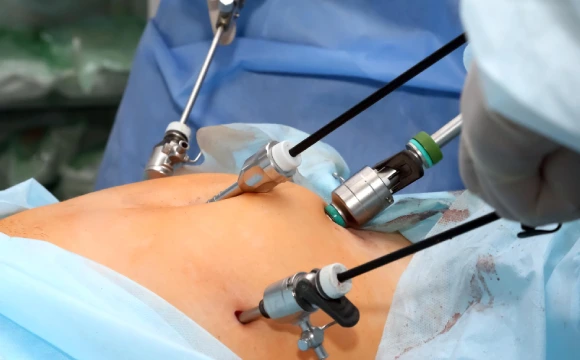
Surgical Technique
PIPAC involves a minimally invasive surgical procedure to introduce aerosolized chemotherapy into the peritoneal cavity.
Procedure Steps:
- Anesthesia: The patient is placed under general anesthesia to ensure comfort throughout the procedure.
- Trocar Insertion: Using laparoscopic techniques, several small incisions are made in the abdominal wall to insert trocars, which are tubes used to allow access to the abdominal cavity for further manipulation.
- Inspection and Assessment: The surgeon inspects the abdominal cavity for any visible tumors, adhesions, or other abnormalities.
- Aerosol Chemotherapy Administration:
- Preparation: A pre-determined dose of chemotherapy (commonly one or a combination of agents) is prepared in a solution.
- Aerosolization: The chemotherapy solution is aerosolized using a specialized device designed to create a fine mist, optimizing the contact with tumor cells.
- Pressure Delivery: The aerosolized chemotherapy is delivered under controlled pressure into the peritoneal cavity through the trocars. This technique ensures an even distribution of the medication across the abdominal surfaces.
- Closure: Once the chemotherapy is administered and the peritoneal cavity is adequately inspected, the trocars are removed, and the incisions are closed with sutures or adhesive strips.
Duration
The entire procedure typically lasts between 1.5 to 2 hours.
Indications
PIPAC is indicated for patients with:
- Peritoneal Carcinomatosis: Particularly from malignancies such as:
- Ovarian Cancer
- Colorectal Cancer
- Gastric Cancer
- Mesothelioma
- Recurrent Disease: When standard systemic chemotherapy has failed or when the disease is not amenable to surgical resection.
- Patients with Extensive Disease: For whom traditional chemotherapy alone may not achieve satisfactory control of peritoneal spread.
Complications
Common Risks
General Surgical Risks: Any surgical procedure carries inherent risks such as bleeding, infection, and complications related to anesthesia.
Specific Complications
- Abdominal Pain or Discomfort: Temporary postoperative discomfort at the site of the incisions or due to the residual effects of aerosolized chemotherapy.
- Peritonitis: There is a risk of infection within the peritoneal cavity after any surgical procedure; careful monitoring is essential.
- Adhesions: Formation of scar tissue inside the abdomen could occur post-surgery, potentially impacting future surgeries or bowel function.
- Chemotherapy-related Side Effects : Although systemic absorption is minimized, patients may experience nausea, vomiting, fatigue, or changes in blood counts as adverse effects of the chemotherapy agents utilized.
Recovery
- Monitoring: Patients will be closely monitored in a recovery unit to assess vital signs, evaluate for complications, and manage any immediate postoperative discomfort.
- Hospital Stay: Patients typically remain hospitalized for 1 to 3 days post-surgery, depending on recovery progress.
- Dietary Management: Dietary intake may be gradually reintroduced, starting with clear fluids. Patients may begin solid food as tolerated.
- Activity Level: Physical activity may be resumed according to individual tolerance, with guidance from healthcare providers.
- Follow-Up Care: Regular follow-up appointments are essential for monitoring the effectiveness of the treatment, managing any long-term side effects, and assessing for disease recurrence.
Long-Term Survival
PIPAC has shown promise in improving long-term survival rates for patients with peritoneal carcinomatosis. While specific survival data can vary based on the underlying cancer type, some studies indicate that:
5-Year Survival Rates: For patients with advanced ovarian cancer treated with PIPAC may reach up to 50% in select cohorts. Similarly, patients with certain types of gastrointestinal malignancies may experience significant improvements in survival when compared to traditional treatments.
Patients undergoing PIPAC may also benefit from enhanced quality of life due to the reduction of peritoneal tumor burden and the potential for disease stabilization.
Conclusion
Pressurized IntraPeritoneal Aerosol Chemotherapy (PIPAC) is an innovative approach that holds significant promise for treating advanced peritoneal carcinomatosis. Understanding the surgical technique, indications, potential complications, recovery expectations, and long-term survival can help patients and their families make informed decisions about their treatment options.