
Liver Cancer Symptoms, Diagnosis, and Treatment
What is the Liver?
The liver is a vital organ located in the upper right abdomen, playing a crucial role in multiple physiological functions necessary for maintaining overall health. It is the largest internal organ in the body, weighing approximately 1.5 kilograms in adults. Specialized management of hepatic cysts, liver cancer metastasis, and other disorders with modern surgical and minimally invasive treatment options customized to each patient’s needs.
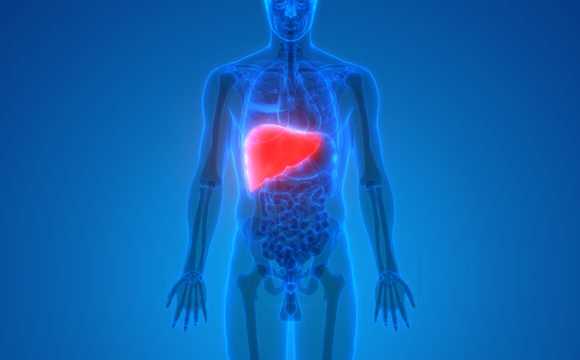
Functions of the Liver
- Metabolism: The liver processes nutrients absorbed from the digestive tract, converting them into energy and storing them for later use. Additionally, it synthesizes glucose, which can be released into the bloodstream as needed, thereby maintaining blood sugar levels.
- Detoxification: The liver filters and removes toxins from the blood, including drugs, alcohol, and harmful substances. This detoxification process is essential for aiding in the safe excretion of these substances from the body.
- Production of Proteins: The liver produces several essential proteins, including albumin, which helps maintain blood volume, and clotting factors necessary for proper blood coagulation.
- Bile Production: The liver generates bile, a substance critical for the digestion and absorption of fats and fat-soluble vitamins in the intestines. Bile plays a significant role in the emulsification of dietary fats.
- Storage of Vitamins and Minerals: The liver serves as a storage site for several vital vitamins (such as A, D, E, K, and B12) and minerals (including iron and copper). It releases these nutrients into the bloodstream as needed to meet the body’s requirements.
Anatomy of the Liver
Structure of the Liver
The liver comprises various lobes, tissues, and vascular systems, integral to its function:
- Lobes of the Liver: The liver is divided into two main lobes:
- Right Lobe: The larger lobe, accounting for approximately 70% of the liver’s mass, located primarily beneath the right rib cage.
- Left Lobe: The smaller lobe, positioned to the left of the right lobe beneath the left rib cage.
- Liver Lobules:The liver’s functional unit is the liver lobule, shaped like a hexagonal prism. Each lobule consists of:
- Hepatocytes: The primary functional cells of the liver, responsible for metabolism, protein synthesis, and detoxification.
- Central Vein: Located in the center of each lobule, draining blood from the hepatic sinusoids into the hepatic veins.
- Portal Triads: Situated at each corner of the lobule, consisting of:
- Hepatic Portal Vein: Brings nutrient-rich blood from the gastrointestinal tract.
- Hepatic Artery: Supplies oxygenated blood from the systemic circulation.
- Bile Duct: Collects bile produced by hepatocytes, transporting it to the gallbladder for storage.
- Vascular Supply:
The liver obtains its blood from two primary sources:- Hepatic Artery: Supplies approximately 25% of the liver’s blood, carrying oxygen-rich blood from the heart.
- Portal Vein: Provides about 75% of the liver’s blood flow, delivering nutrient-rich blood from the intestines and spleen.
- Biliary System:
The liver produces bile, essential for fat digestion. Bile is secreted into bile canaliculi (small channels between hepatocytes), collected within bile ducts, and eventually drained into the common bile duct leading to the gallbladder for storage. - Nerve Supply:
The liver is innervated by both the autonomic nervous system and the enteric nervous system, with the hepatic plexus providing autonomic control, influencing both hepatic blood flow and bile production.
Health Tips for a Healthy Liver
To maintain optimal liver health, consider the following lifestyle choices:
- Eat a Balanced Diet: Focus on consuming a variety of fruits, vegetables, whole grains, and lean proteins to provide essential nutrients and support liver function.
- Limit Alcohol Consumption: Excessive alcohol intake can lead to liver damage and various liver diseases, so moderation is key.
- Maintain a Healthy Weight: Obesity remains a significant risk factor for liver disease, particularly non-alcoholic fatty liver disease (NAFLD).
- Exercise Regularly: Engaging in regular physical activity supports overall health and aids in weight management, positively impacting liver health.
- Get Regular Check-Ups: Routine blood tests and liver function tests can help monitor liver health and facilitate early detection of any issues.
Liver Diseases
Introduction
The liver plays critical roles in digestion, metabolism, and detoxification. Its complex functions make it susceptible to a variety of diseases, which can significantly impair liver functionality and lead to severe health complications. Understanding these conditions—especially those requiring surgical intervention—is essential for effective patient management and treatment.
Common Liver Diseases
- Definition: Inflammation of the liver caused by various factors, including viral infections (types A, B, C, D, and E), autoimmune diseases, and toxic substances.
- Acute Hepatitis: Sudden onset of liver inflammation, often self-limiting. Causes may include viral infections and alcohol use.
- Chronic Hepatitis: Continuous inflammation that can lead to irreversible liver damage over time, primarily due to chronic infections or autoimmune diseases.
- Symptoms: Fatigue, jaundice, abdominal discomfort, dark urine, and gastrointestinal disturbances.
- Diagnosis: Blood tests assessing liver enzymes (ALT, AST), viral serology, and imaging studies for structural abnormalities.
- Management: Tailored treatment based on etiology—antiviral medications for viral hepatitis, lifestyle modifications, and monitoring for progression.
- Types:
- Alcoholic Fatty Liver Disease: Results from excessive alcohol consumption, leading to inflammation and fat accumulation in liver cells.
- Non-Alcoholic Fatty Liver Disease (NAFLD): Associated with obesity, diabetes, dyslipidemia, and metabolic syndrome.
- Symptoms: Often asymptomatic, but fatigue and discomfort in the upper abdomen may occur in advanced cases.
- Diagnosis: Imaging studies (ultrasound, CT, or MRI) and liver biopsy for definitive diagnosis.
- Management: Lifestyle changes (dietary modifications, weight loss, and increasing physical activity) are crucial for both forms.
- Definition: A progressive disease characterized by extensive fibrosis and scarring of the liver resulting from chronic liver injury.
- Causes: Chronic viral hepatitis (B and C), alcohol abuse, and non-alcoholic fatty liver disease.
- Symptoms: Jaundice, ascites (fluid accumulation), variceal bleeding, confusion (hepatic encephalopathy), and portal hypertension.
- Diagnosis: Confirmed through imaging (ultrasound, CT, MRI) and liver function tests; sometimes requires biopsy.
- Management: Focuses on treating underlying causes, managing complications, and considering liver transplantation in advanced cases.
- Definition: Malignant tumors in the liver, primarily hepatocellular carcinoma (HCC), which often arises on a background of chronic liver disease or cirrhosis.
- Symptoms: Unexplained weight loss, jaundice, abdominal pain, loss of appetite, and liver mass detection.
- Diagnosis: Imaging studies (CT, MRI) are integral, along with tumor markers like alpha-fetoprotein (AFP) and confirmatory biopsies.
- Management: Treatment options include surgical resection, liver transplantation for eligible patients, and palliative care for advanced stages.
- Definition: Secondary cancer that has spread to the liver from other primary tumors (commonly colorectal, breast, lung, and pancreatic cancers).
- Symptoms: Similar to primary liver malignancies, may include weight loss, jaundice, abdominal pain, and general malaise.
- Diagnosis: Imaging studies (CT, MRI) and sometimes biopsies of liver lesions to determine the primary origin.
- Management: Often involves systemic therapy, but surgical options like liver resection or ablation may be considered based on tumor burden and liver function.
- Definition: Localized collection of pus within the liver due to infection, which can be bacterial or parasitic in origin.
- Symptoms: Patients may present with fever, chills, abdominal pain, jaundice, and signs of sepsis.
- Diagnosis: Confirmed through ultrasound, CT scans, and laboratory tests to identify the causative organism.
- Management: Generally requires intravenous antibiotics; large abscesses may necessitate surgical drainage.
- Definition: A hereditary disorder leading to excessive iron absorption and accumulation in the liver and other organs.
- Symptoms: Symptoms include fatigue, joint pain, abdominal pain, skin pigmentation (bronzing), and diabetes (often called “bronze diabetes”).
- Diagnosis: Diagnosis is typically made through serum ferritin tests, genetic testing, liver biopsy for assessing fibrosis level.
- Management: Regular phlebotomy to reduce iron levels and dietary modifications to limit iron intake.
- Definition: An autosomal recessive genetic disorder resulting in copper accumulation in the liver and other organs.
- Symptoms: Liver dysfunction, neurological symptoms, psychiatric issues, and Kayser-Fleischer rings in the eyes.
- Diagnosis: Serum ceruloplasmin levels, 24-hour urine copper excretion tests, and liver biopsy.
- Management: Treatment includes copper chelation therapy (e.g., penicillamine) and dietary restrictions on copper intake.
Symptoms to Monitor
Healthcare providers should instruct patients to be vigilant for the following symptoms that may indicate liver disorders:
- Persistent Fatigue: Not relieved by rest or sleep.
- Jaundice: Yellowing of the skin and eyes.
- Dark Urine or Pale Stools: Reflective of changes in liver function.
- Abdominal Pain or Swelling: Particularly noticeable in the upper right quadrant.
- Significant Appetite Changes or Weight Fluctuations: Unexplained increases or decreases in weight.
When to Seek Medical Attention
Prompt medical evaluation is essential if patients experience:
- Persistent abdominal pain or abdominal swelling.
- Change in bowel habits or stool color.
- Unexplained weight loss or significant weight gain.
- Signs of jaundice or any other systemic symptoms.
Early diagnosis and timely intervention can lead to improved management of liver diseases, preventing serious complications. If patients have concerns regarding their liver health, they should consult with their healthcare provider for assessment and advice.
Liver Surgery
Introduction
Liver surgery is often necessary to treat various conditions affecting the liver, including tumors, cirrhosis-related complications, liver abscesses, and traumatic injuries. This guide outlines the different types of liver surgeries, their indications, techniques employed, recovery processes, and potential complications.
Types of Liver Surgery
Hepatectomy refers to the surgical removal of a portion of the liver and can be categorized based on the specific segments resected. The following are common types of partial hepatectomy:
A. Right Hepatectomy
- Definition: Surgical removal of the right lobe of the liver.
- Indications:
- Tumors located in the right lobe, including hepatocellular carcinoma.
- Large metastatic lesions that require substantial resection.
- Surgical Technique:
- Anesthesia: General anesthesia is administered.
- Incision Types: A large abdominal incision or laparoscopic approach is utilized.
- Resection Steps: The surgeon excises the right lobe while preserving as much healthy liver tissue as possible.
- Closure: The remaining liver tissue is inspected for bleeding before closure.
- Duration: Typically lasts between 4 to 6 hours.
B. Left Hepatectomy
- Definition: Removal of the left lobe of the liver.
- Indications:
- Tumors located in the left lobe or conditions requiring resection in that area.
- Surgical Technique:
- Similar to right hepatectomy, performed under general anesthesia with careful dissection to remove the left lobe.
- Duration: Similar to that of right hepatectomy, approximately 4 to 6 hours.
C. Extended Right or Left Hepatectomy
- Definition: Involves the removal of the right or left lobe along with additional segments of the liver for complete tumor clearance.
- Indications:
- Large malignant tumors that require aggressive management.
- Extensive benign lesions impacting liver function.
- Surgical Technique:
- Requires careful preoperative imaging and planning to evaluate liver function.
- Duration: Generally requires a longer surgical time, about 6 to 9 hours.
D. Wedge Liver Resection
- Definition: A wedge resection involves removing a triangular-shaped section of liver tissue, often around a tumor.
- Indications:
- Primarily for small liver tumors located peripherally or symptomatic benign lesions.
- Surgical Technique:
- Anesthesia: General anesthesia is needed.
- Procedure Steps: An incision is made, and a wedge of tissue is excised, ensuring clear margins around the affected area.
- Duration: Typically lasts between 2 and 4 hours.
Potential Complications of Hepatectomy
Common Complications
Both general surgery risks and specific complications are important to consider when discussing potential outcomes of liver resection:
General Surgical Risks
- Bleeding: Surgical bleeding may require transfusion or additional surgical intervention.
- Infection: Risk exists at the surgical site or within the abdominal cavity.
- Anesthesia Complications: Any surgery carried under general anesthesia carries inherent risks.
Specific Complications
- Liver Failure:
- Particularly significant in patients with pre-existing liver dysfunction (e.g., cirrhosis); the extent of the hepatectomy directly correlates to the risk of postoperative liver failure.
- Bile Leakage:
- A leak from bile ducts can lead to bile peritonitis or abscess formation, often requiring further surgical intervention or endoscopic management.
- Delayed Gastric Emptying:
- This condition may occur postoperatively, where the stomach takes longer to empty its contents, necessitating dietary modifications.
- Thrombosis of Hepatic Vasculature:
- Vascular complications can include thrombosis of the hepatic artery or portal vein, which can significantly impact liver function and may require intervention.
- Nutritional Problems:
- Postoperative issues may lead to malabsorption or altered metabolic function requiring dietary changes and supplementation.
- Definition: Surgical procedure replacing a diseased liver with a healthy donor liver.
- Indications: End-stage liver disease due to chronic hepatitis, cirrhosis, acute liver failure, or tumors meeting transplant criteria.
- Surgical Technique:
– Overview: Requires careful planning and assessment for donor suitability.
– Procedure Steps:- General anesthesia is administered.
- A large abdominal incision is made.
- The diseased liver is excised.
- The donor liver is implanted and connected back to the vascular and biliary systems.
- Duration: Typically takes 6 to 12 hours.
Indications: Used primarily for small tumors not eligible for formal resection.
Types:
– Radiofrequency Ablation (RFA): Destroys cancer cells using heat.
– Cryoablation: Freezes and destroys tissue.
Surgical Technique:
Overview: Minimally invasive procedures guided by imaging to target and eliminate tumors.
Procedure Steps:
1. May be done under local anesthesia or sedation.
2. Imaging guides placement of the probe to apply energy for destruction of the tumor.
Recovery:
– Outpatient Procedure: Patients generally leave the same day or the following morning.
Potential Complications:
– Minimal, but localized pain or risk of damage to adjacent structures may occur.
- Definition: A strategy used for treating patients with extensive liver tumors where the complete resection is not feasible in one operation due to insufficient liver function remaining post-resection.
Indications:
- Advanced Liver Tumors: Used in cases of large tumors that necessitate significant resection but where the remaining liver function must be preserved for future interventions.
Surgical Technique:
- First Stage: Involves the initial resection of a portion of the liver to reduce tumor burden while preserving enough liver tissue for later stages.
- This may involve performing a right or left hepatectomy depending on tumor location.
- Second Stage: Following an appropriate interval (typically several weeks), and allowing time for liver regeneration, the second stage consists of further resection of the remaining diseased liver tissue.
- Procedure Steps:
- Anesthesia: General anesthesia is required for both stages.
- Incision: A similar approach as in single stage hepatectomy; incisions re-evaluated for adequacy based on tumor location.
- Postoperative Monitoring: Intense monitoring for liver function and assessment of patient’s ability to regenerate liver before the second stage.
Recovery:
- Hospital Stay: Each stage usually involves a hospital stay of 5 to 7 days.
- Nutritional Support: Patients may require adjusted dietary support based on liver function and energy needs.
Potential Complications:
- Risk of Liver Failure: Especially if the initial assessment of liver function is inaccurate.
- Increased Surgical Risks: Higher cumulative risk of complications due to multiple surgeries.
Conclusion
Liver surgery encompasses a range of interventions performed to treat various liver diseases and conditions effectively. Each surgical option, whether it is a partial hepatectomy, liver transplantation, ablative technique, or two-stage hepatectomy, comes with specific indications, techniques, recovery protocols, and potential complications. Comprehensive preoperative evaluation and careful surgical planning are essential for optimizing patient outcomes and managing risks effectively.