
Pancreas cancer Symptoms, Diagnosis, and Treatment
Pancreatic cancer often presents symptoms like jaundice, fatigue, weight loss, and abdominal discomfort, whereas pancreatitis treatment involves controlling inflammation, relieving pain, and addressing the root cause. Since the pancreas plays a key role in digestion and metabolism.
What is the Pancreas?
The pancreas is a vital organ located in the abdominal cavity, behind the stomach. It plays a crucial role in digestion and blood sugar regulation. The pancreas has both endocrine and exocrine functions:
- Endocrine Function : The pancreas produces hormones such as insulin and glucagon, which are essential for controlling blood sugar levels.
- Exocrine Function : It produces digestive enzymes (such as amylase, lipase, and proteases) that help in the digestion of carbohydrates, fats, and proteins in the small intestine.
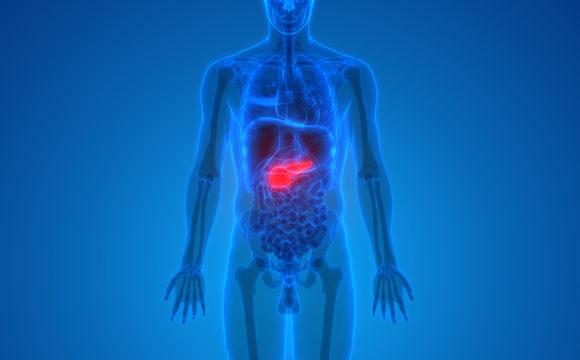
Anatomy of the Pancreas
The pancreas is divided into four main parts:
- Head: The wider portion that is nestled into the curve of the duodenum (the first part of the small intestine).
- Neck: The small constricted area between the head and the body.
- Body: The central portion of the pancreas.
- Tail: The tapering end of the pancreas that extends towards the spleen.
Common Functions
- Digestive Health: The enzymes produced by the pancreas are necessary for proper digestion.
- Metabolism Regulation : Through hormone production, it plays a key role in metabolic processes.
Health and Lifestyle
Tips To maintain a healthy pancreas:
- Eat a balanced diet rich in fruits, vegetables, and whole grains.
- Avoid excessive alcohol consumption.
- Maintain a healthy weight and exercise regularly.
- Get regular check-ups to monitor blood sugar levels.
Overview of Pancreatic Diseases
Common Pancreatic Diseases
- Definition: Inflammation of the pancreas, which can manifest as acute or chronic pancreatitis.
- Acute Pancreatitis: Sudden inflammation with symptoms typically resolving within days. It may be caused by gallstones, excessive alcohol use, certain medications, or abdominal trauma.
- Chronic Pancreatitis: Long-lasting inflammation resulting in permanent damage, primarily due to prolonged alcohol misuse or recurring acute pancreatitis.
- Symptoms: Severe abdominal pain (often in the upper abdomen), nausea, vomiting, fever, and increased heart rate.
- Diagnosis: Blood tests to check inflammatory markers (like CRP), abdominal ultrasound, CT scan, or MRI.
- Management: Acute cases may require surgical intervention to address underlying causes (e.g., laparoscopic cholecystectomy for gallstones) or to drain pseudocysts. Chronic pancreatitis management can involve pain relief, enzyme replacement, and lifestyle modifications.
- Definition: A malignant tumor that can form in the exocrine (most common) or endocrine cells of the pancreas.
- Risk Factors: Include smoking, obesity, chronic pancreatitis, diabetes, and family history of pancreatic cancer.
- Symptoms: Often asymptomatic in early stages; advanced signs include jaundice, weight loss, abdominal pain, and changes in appetite or digestion.
- Diagnosis: Imaging studies (CT, MRI, or PET scans), blood tests for tumor markers (like CA 19-9), and biopsies.
- Surgical Intervention:Surgical options depend on the tumor’s location and stage:
– Whipple Procedure (Pancreaticoduodenectomy): Removal of the head of the pancreas, duodenum, gallbladder, and bile duct.
– Distal Pancreatectomy: Removal of the body and tail of the pancreas.
– Total Pancreatectomy: Complete removal of the pancreas, performed in advanced cases.
- Definition: A genetic disorder that affects multiple organs, particularly the lungs and pancreas.
- Pathophysiology: Causes thick, sticky mucus that blocks pancreatic ducts and prevents the secretion of digestive enzymes.
- Symptoms: Malabsorption, poor growth, frequent lung infections, and digestive issues.
- Diagnosis: Newborn screening, sweat tests for chloride levels, and genetic testing.
- Definition: A condition where the pancreas fails to produce enough digestive enzymes, leading to malabsorption.
- Causes: Chronic pancreatitis, cystic fibrosis, or pancreatic cancer.
- Symptoms: Diarrhea, weight loss, steatorrhea (fatty stools), and vitamin deficiencies.
- Management: Enzyme replacement therapy is common, along with dietary modifications. Surgical options may be considered if related to other pancreatic conditions requiring intervention.
- Definition: Fluid-filled sacs in the pancreas, which can be benign or malignant.
- Types: Mucinous cystic neoplasms, serous cystadenomas, and intraductal papillary mucinous neoplasms (IPMNs).
- Symptoms: Often asymptomatic, but may cause abdominal pain, nausea, or jaundice if large or causing obstruction.
- Diagnosis: Imaging studies (CT, MRI) and sometimes fluid analysis via endoscopic ultrasound (EUS).
- Surgical Intervention: Surgical resection may be warranted for cysts with malignant potential or symptomatic cysts that impact quality of life.
- Definition: Tumors arising from the hormone-producing cells of the pancreas.
- Types: Include insulinomas (produce insulin), gastrinomas (produce gastrin), and glucagonomas (produce glucagon).
- Symptoms: Vary based on hormone type; insulinomas may cause hypoglycemia, whereas gastrinomas may cause peptic ulcers.
- Diagnosis: Hormone level testing, imaging studies, and biopsy.
- Surgical Intervention: Surgical removal of the tumor is often the best treatment, especially for localized functioning tumors.
- Definition: Collections of fluid that occur in response to inflammation or injury to the pancreas.
- Symptoms: May include abdominal pain, nausea, or vomiting. Can become infected or rupture if large enough.
- Diagnosis: Imaging (ultrasound, CT scan) to assess the size and nature.
- Surgical Intervention: Surgical drainage or marsupialization through laparoscopic techniques may be required if the pseudocyst is symptomatic or causing complications.
Symptoms to Watch For
Patients should be cognizant of the following symptoms, which may indicate a pancreatic disorder requiring timely evaluation:
- Abdominal Pain: Particularly in the upper abdomen.
- Unexplained Weight Loss: Not attributable to dieting or lifestyle changes.
- Nausea or Vomiting: Persistent or severe that affects daily activities.
- Changes in Appetite: Notable increase or decrease.
- New-Onset Diabetes: Sudden changes in blood sugar levels or difficulty managing diabetes.
When to Seek Medical Attention
It is imperative to consult a healthcare provider if you experience:
- Persistent abdominal pain
- Changes in bowel habits
- Unsustainable weight loss
- Any of the other concerning symptoms mentioned above
Early diagnosis and intervention are crucial for managing pancreatic diseases effectively and preventing complications. If you have concerns about your pancreatic health, please reach out to your healthcare provider for further evaluation and assistance.
Overview of Pancreatic Surgery
Introduction
Pancreatic surgery is often necessary for various conditions affecting the pancreas, such as pancreatitis, tumors, and other diseases. Understanding the types of surgeries available, the preparation process, and what to expect before and after surgical intervention is crucial for patients. This guide aims to provide comprehensive information regarding pancreatic surgery, including potential risks, benefits, and recovery expectations.
Types of Pancreatic Surgery
- Overview: The Whipple procedure, or pancreaticoduodenectomy, is a complex surgery involving the removal of the head of the pancreas, the duodenum (the first part of the small intestine), part of the bile duct, the gallbladder, and sometimes a portion of the stomach.
- Indications: It is primarily performed for pancreatic cancer localized to the head of the pancreas but may also be indicated for chronic pancreatitis or benign tumors in that region.
- Overview: This surgical procedure involves the removal of the body and tail of the pancreas. The spleen is often removed as well, particularly when it is adjacent to tumors or affected by chronic inflammation.
- Indications: This procedure is typically performed for tumors located in the body or tail of the pancreas and in cases of chronic pancreatitis that do not respond to medical management.
- Overview: Involves the complete surgical removal of the pancreas. This surgery results in the complete loss of all pancreatic endocrine and exocrine functions, meaning the patient will need lifelong medication to manage insulin and digestive enzymes.
- Indications: This surgical option is considered for extensive or widespread pancreatic disease, particularly when cancer has widely invaded the pancreas or when severe chronic pancreatitis has rendered the organ non-functional.
- Overview: Endoscopic techniques can be utilized for less invasive treatment of certain pancreatic conditions. These procedures may include endoscopic ultrasound (EUS)-guided interventions, stenting of blocked ducts, or removal of stones from the bile ducts.
- Indications: Particularly useful for managing complications such as pancreatic pseudocysts, strictures, or stones that impair pancreatic function without the need for major abdominal surgery.
Preparation for Surgery
Preoperative Evaluation
- Assessment: A comprehensive evaluation will be conducted to assess the patient’s health and surgical readiness. This may include physical exams, lab tests (blood work), imaging studies (CT, MRI), and a review of the patient’s medical history and medications.
- Consultations: Patients may meet with a dietitian to discuss dietary modifications—both prior to and after surgery. Discussions may also include counseling on the potential need for insulin therapy and enzyme replacement therapy post-surgery.
Informed Consent
- An informed consent process ensures that patients receive a detailed explanation of the surgical procedure, potential risks, expected benefits, and alternatives. This allows patients to make knowledgeable decisions regarding their treatment options.
The Surgical Procedure
Overview of the Surgery
- Anesthesia: The procedure is performed under general anesthesia to ensure the patient is comfortable and pain-free throughout the operation.
- Duration: The length of the surgery varies depending on the complexity of the procedure and patient factors but typically lasts between 4 to 8 hours.
- Hospital Stay: Following surgery, patients usually require a hospital stay ranging from 5 to 10 days, depending on their recovery progress and any potential complications.
Postoperative Care
Recovery Process
- Recovery Unit: After surgery, patients will be closely monitored in a recovery unit to ensure stability before being transferred to a patient room.
- Pain Management: Effective pain control will be provided through medications, which may include opioids or non-steroidal anti-inflammatory drugs (NSAIDs) depending on the individual needs.
- Dietary Adjustments: Patients may start on a clear liquid diet initially, transitioning to solid foods as they tolerate them. Nutritional assessments and adjustments will be made as necessary.
- Monitoring: Regular monitoring of blood sugar levels and pancreatic function is crucial, particularly after extensive surgeries, to promptly address any issues that may arise.
Potential Risks and Complications
Common Risks
Surgical Risks: General risks associated with any surgery, including bleeding, infection, and complications related to anesthesia.
Specific Risks
- Pancreatic Leakage: A leak from the pancreatic duct or surgical connection that can lead to infections or complications.
- Delayed Gastric Emptying: A condition that can occur after pancreatic surgery whereby the stomach takes longer to empty its contents.
Long-Term Complications
- Diabetes Management: Patients may experience diabetes after pancreatic resection due to the loss of insulin-producing cells and will require management and monitoring to maintain stable blood glucose levels.
- Malabsorption: Individuals may face difficulties digesting food properly, necessitating enzyme replacements for adequate nutrient absorption.