
Skin Lesions and Lumps
Skin lesions and lumps are abnormalities on the skin’s surface or within underlying tissues. They can vary widely in appearance and may be benign (non-cancerous) or malignant (cancerous). While many are harmless, it’s important to recognize changes in the skin that may require medical attention. Common examples include moles, skin cysts, and lipomas, which can vary in size, appearance, and symptoms. Some lesions originate from melanocytes, the cells responsible for skin pigmentation, and may require monitoring, treatment, or removal depending on their characteristics.
Common Types of
Skin Lesions and Lumps
- Moles (Nevi): Pigmented skin lesions that are usually benign but should be monitored for changes in size, shape, or color.
- Warts: Caused by human papillomavirus (HPV), these are non-cancerous growths that can appear anywhere on the body but are common on hands and feet.
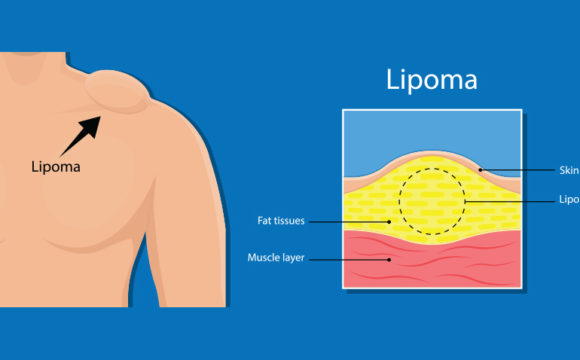
- Lipomas: Soft, benign tumors composed of fat cells, often found under the skin.
- Cysts: Closed pockets of tissue filled with fluid or semi-solid material, usually benign.
- Skin Tags: Small, benign outgrowths of skin that commonly occur in areas of friction.
- Basal Cell Carcinoma: A common type of skin cancer that typically appears as a pearly bump or a scaly patch.
- Squamous Cell Carcinoma: A type of skin cancer that may look like a firm red nodule or a flat lesion with a scaly crust.
- Melanoma: A serious form of skin cancer that develops in pigment-producing melanocytes, often resembling or arising from a mole.
Causes
The causes of skin lesions and lumps vary depending on the type:
- Genetic Factors: Some conditions like moles and lipomas may have a genetic basis.
- Infections: Viruses, bacteria, and fungi can lead to warts, abscesses, and other skin conditions.
- Allergic Reactions: Allergens can cause hives or rashes.
- Sun Exposure: Excessive exposure to UV rays is a significant risk factor for skin cancers such as melanoma, basal cell carcinoma, and squamous cell carcinoma.
- Trauma or Friction: Can lead to cysts or skin tags.
Symptoms
Symptoms vary based on the lesion or lump type and may include:
- Changes in Color, Size, or Shape: Especially important for moles or existing skin spots.
- Itching or Tenderness: Can occur with warts, cysts, or cancerous lesions.
- Bleeding or Oozing: Especially concerning if it happens without an apparent reason.
- Firmness or Mobility: Lipomas are usually soft and mobile, while warts and some cancers may feel firm.
Diagnosis
Diagnosis involves:
- Physical Examination: Initial inspection by a healthcare provider to assess the characteristics of the lesion or lump.
- Dermatoscopy: A special magnifying tool to examine the lesion more closely.
- Biopsy: Removing a small sample of tissue for laboratory analysis to check for cancerous cells or other conditions.
- Imaging Tests: Ultrasound or MRI may be used for larger lumps to assess their extent and nature.
Treatment Options
The treatment depends on the type and nature of the lesion or lump:
- Observation: Benign lesions such as small, unchanged moles may simply need monitoring.
- Topical Treatments: Creams or gels for conditions like warts or non-cancerous lesions.
- Cryotherapy: Freezing off warts or certain precancerous lesions.
- Surgical Removal: For benign or malignant tumors, cysts, or problematic moles.
- Laser Therapy: Used for removing warts, some tumors, or for cosmetic reasons.
- Chemotherapy or Radiation: For cancerous lesions, as part of comprehensive cancer treatment.